

Efik hospitality is more than a custom; it is a living heritage deeply woven into the cultural fabric of Calabar and its people. For generations, the Efik have been renowned throughout Nigeria and beyond for their sincere warmth, demonstrated in everyday interactions, special occasions, and the region’s evolving tourism scene. Today, the ethos of Efik hospitality continues to attract visitors from around the globe, inviting them into a world where grace, generosity, and community spirit ensure every guest experiences a true sense of belonging.
Roots of Efik Hospitality: Welcoming Through Generation
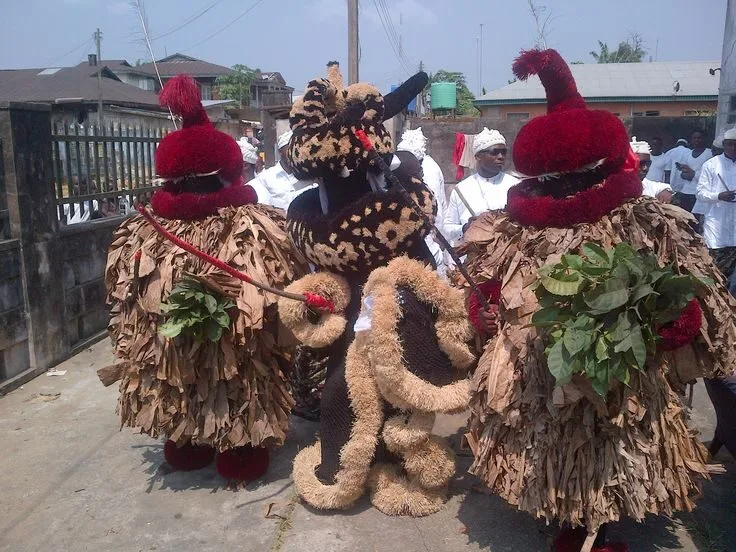
The hospitality tradition of the Efik people dates back centuries, originating from their ancestral settlements along the Cross River. In these close-knit communities, welcoming strangers was both a moral obligation and a social opportunity. The Efik treated visitors as extensions of their own families, offering food, shelter, and companionship regardless of background or rank. This openness became especially critical during trade periods, when Calabar emerged as a major port city connecting various cultures and facilitating economic exchange.
Efik homes have long been open to guests, with elders teaching younger generations the importance of making others feel comfortable and valued. Simple gestures, offering water to travelers, sharing communal meals, and engaging in lively storytelling, helped foster trust and social harmony. These customs have not only persisted but have become symbolic of Calabar’s collective identity, attracting admiration from both Nigerians and international travelers.
The Heartbeat of Hospitality: Meals, Music, and Storytelling
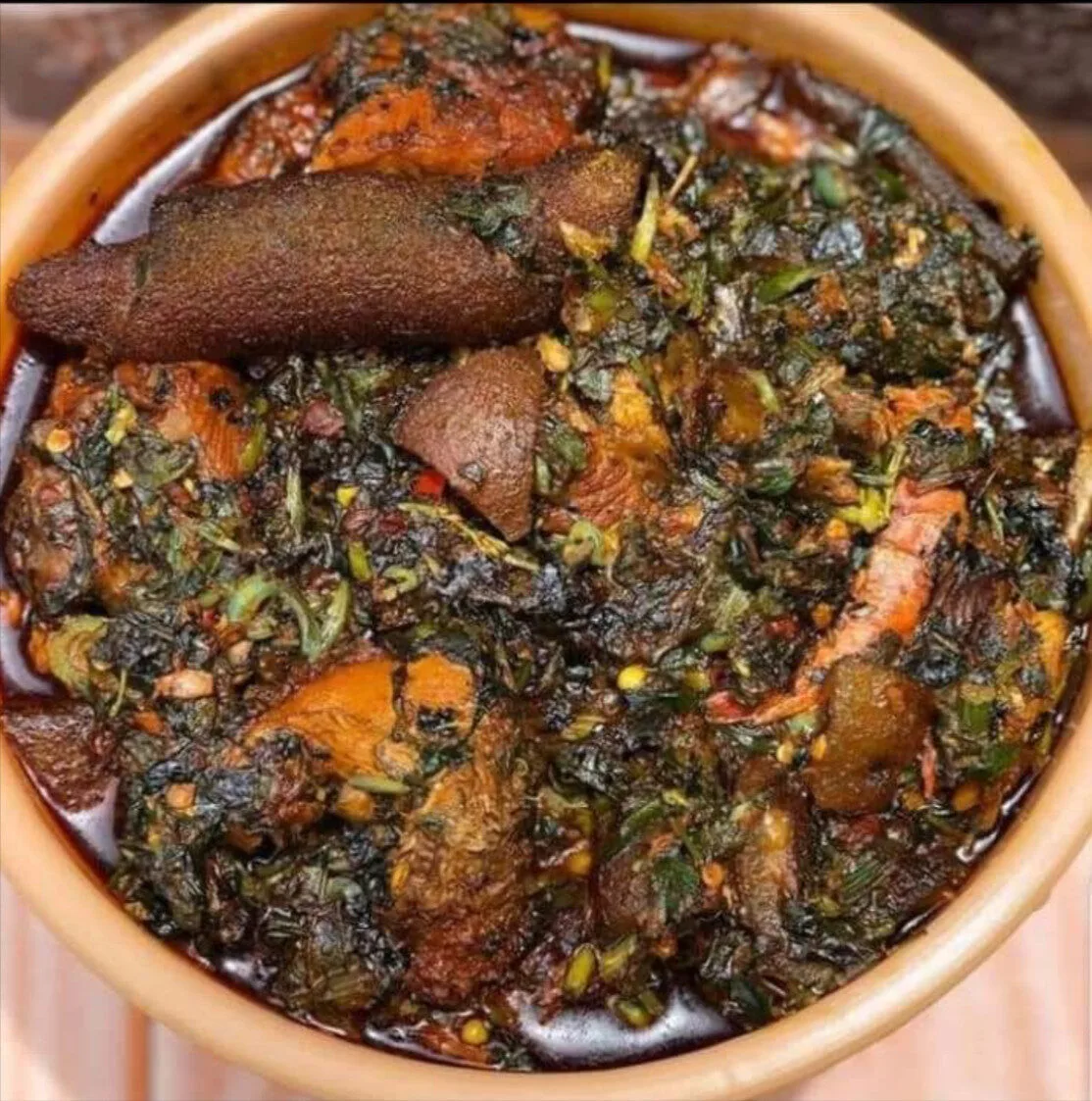
Efik hospitality is best experienced through the senses, with food, music, and stories playing central roles in expressing warmth. At the heart of every Efik gathering is a meal, prepared with dedication and shared generously. Traditional dishes such as Afang soup, Edikang Ikong, and lesser-known culinary treasures like Ekpang Nkukwo and Afia Efere serve as vehicles for celebration and connection. Guests are honoured by being served first, a gesture that reflects deep respect and genuine appreciation for their presence.
Music and dance are equally vital. Efik song performances and rhythmic dances often accompany communal feasts, creating a vibrant atmosphere that welcomes participation and joyful exchange. The practice of storytelling, historical recounting, proverbs, and mythical tales further enriches the guest experience, offering insight into Efik wisdom while fostering laughter and friendships.
Customs of Generosity: From Everyday Life to Grand Festivals
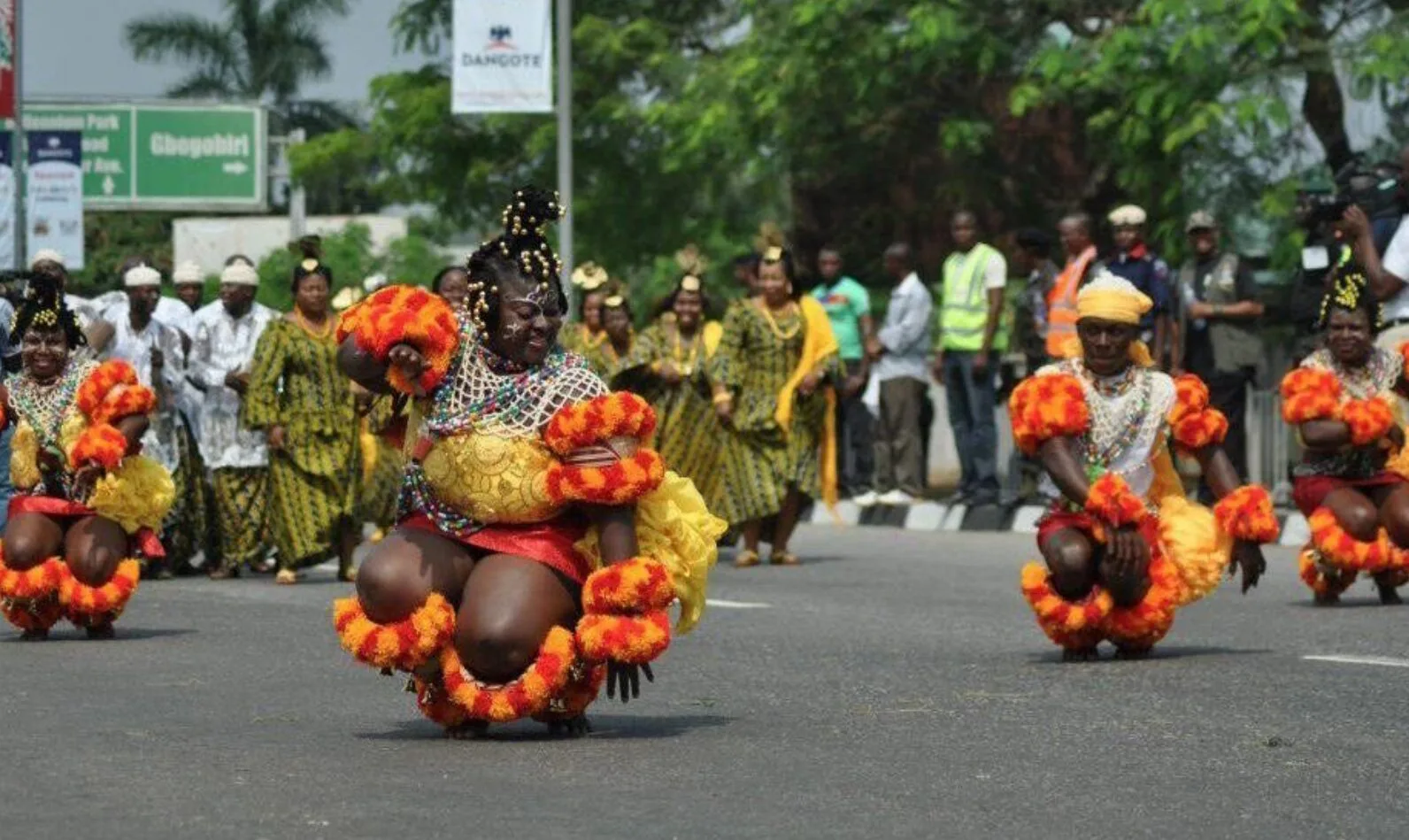
Efik generosity extends from daily routines to grand celebrations. In family life, it is common for neighbours and passersby to be invited inside for refreshment, sometimes even during private family events. Gifts are exchanged without expectation of return, and young people are taught to respect elder visitors by fetching water, presenting bowls of kola nut, or assisting with luggage. This culture of generosity has proven invaluable in times of need, reinforcing social bonds and humanitarian ideals.
Festivals provide a larger stage for Efik hospitality. During the annual Calabar Carnival, hosting duties expand as thousands descend on the city for parades, cultural displays, and entertainment. Efik families often open their homes to performers, tourists, and journalists, demonstrating an unwavering commitment to ensuring that every guest enjoys the festivities as if they were one of their own. The philosophy is clear: a visitor should leave with fond memories, stories to tell, and a longing to return.
Shaping the Calabar Tourism Scene: Hospitality as Philosophy

The continuation of Efik hospitality into modern tourism has shaped Calabar’s reputation as a welcoming destination. Hotel operators, restaurant owners, and tour businesses all draw inspiration from Efik traditions, striving to offer personalised service that reflects the region’s inclusive ethos.
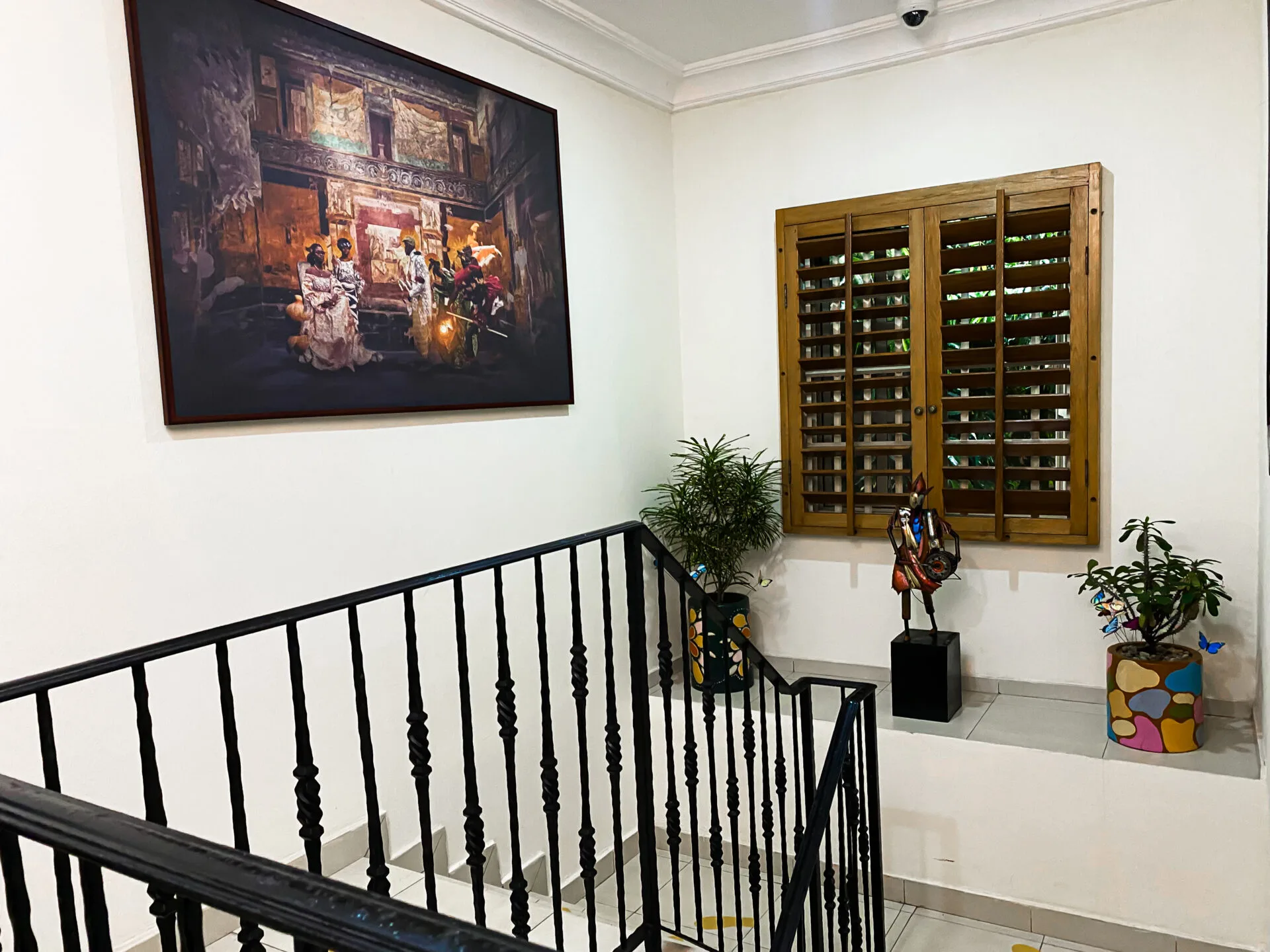
At ChallawaRiver Homes, guests are enveloped in Efik heritage from the moment they arrive. The apartment features immersive art pieces that beautifully tell Efik folklore, and every detail of the décor radiates a rich African aesthetic, instantly connecting visitors to the region’s storied culture.
Guests can easily explore authentic Efik cuisine and experiences by scanning a QR code in the apartment to access our trusted vendors, ensuring a seamless connection to Calabar's vibrant hospitality. Each night, visitors drift off surrounded by the spirit and history of Efik traditions. These practices contribute to Calabar’s status as a leader in Nigerian tourism, fostering repeat visits and international recognition for its warmth and generosity.