
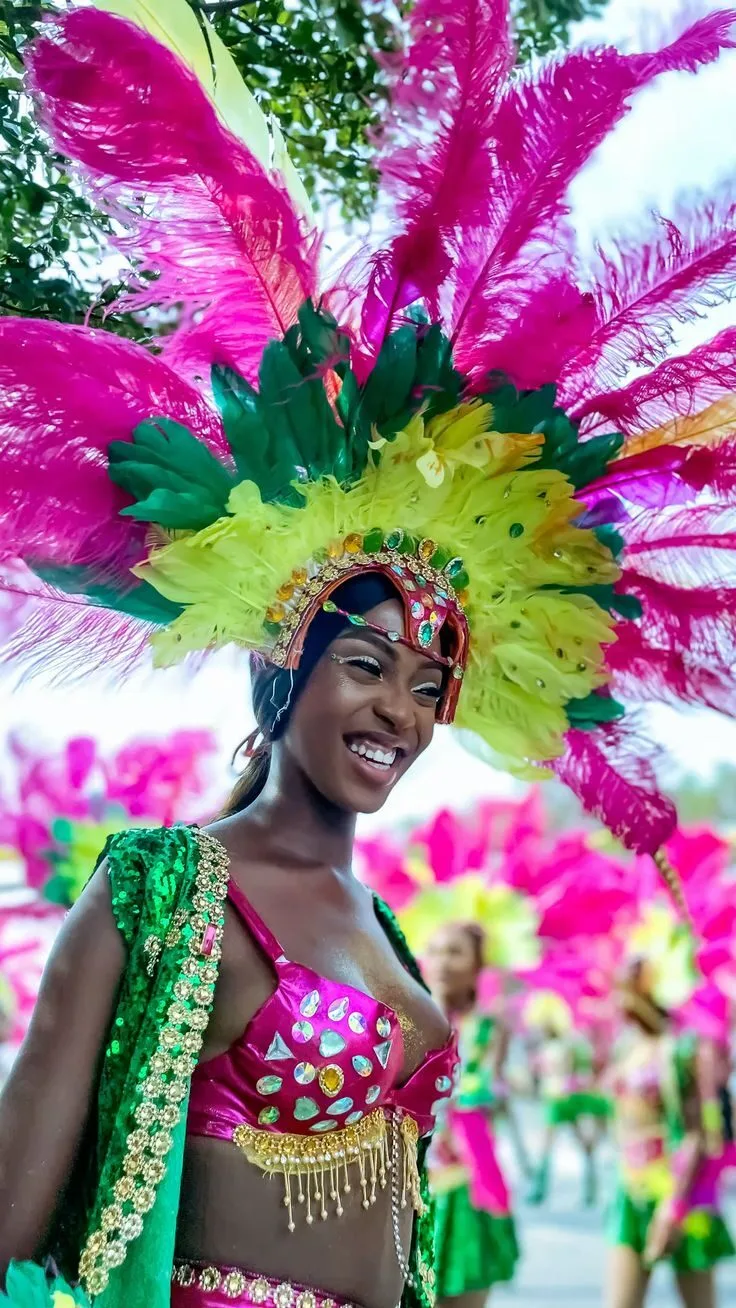
The music has faded, the final parade wrapped on 29 December 2025, and Calabar has eased back into its everyday rhythm. Yet for tourism operators, investors, and hospitality brands, the Calabar Carnival is far from over. Its true legacy lives in the numbers it leaves behind, the global attention it attracts, and the economic ripple effects that continue to shape where people choose to visit, stay, and invest.
To understand why, December after December, Calabar fills its rooms, tables, and streets, we must look beyond the spectacle and unpack the data, decisions, and cultural vision that turned a seasonal festival into a year-round tourism engine, one that properties like ChallawaRiver Homes are built to support and sustain.
What started in 2004 as a daring cultural experiment under then–governor Donald Duke has evolved into Africa’s biggest street party and a global tourism spectacle. Each December, Calabar’s streets explode with music, choreography, and colour as bands, bikers, masquerades, and performers turn the city into a month-long open-air festival that now attracts hundreds of thousands of visitors.
Beyond the spectacle, the Calabar Carnival economic impact tells a deeper story of how a cultural vision reshaped a city’s image, created jobs, and pushed Calabar onto the international tourism map. For travelers seeking an authentic base amid the festivities, ChallawaRiver Homes offers immersive stays enveloped in Efik heritage, complete with art depicting folklore and easy access to trusted local vendors via QR code, perfect for experiencing the Calabar Carnival economic impact up close. Beyond the spectacle, this cultural powerhouse reshaped a city’s image, created jobs, and pushed Calabar onto the international tourism map.
From Local Parade To Global Brand
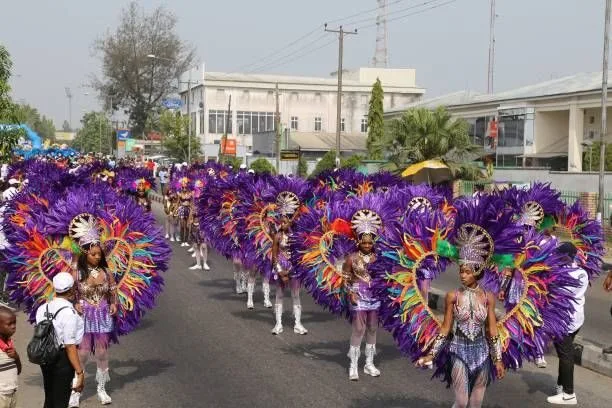
The modern Calabar Carnival was relaunched in 2004 as part of a broader strategy to make Cross River State the “home of tourism” in Nigeria and to diversify the local economy beyond federal allocations. The festival model expanded older Christmas parades into a 30–31 day programme of concerts, street parties, cultural displays, and the flagship carnival procession, giving Calabar a distinct festive identity every December.
Under Mr. Donald Duke’s administration, the state invested in roads, beautification, and tourism infrastructure so that the carnival was not just entertainment, but a driver for hotel development, hospitality businesses, and creative jobs. This laid the foundation for a brand that now competes with major carnivals on the continent in both visibility and attendance.
The Numbers Behind Africa’s Biggest Street Party
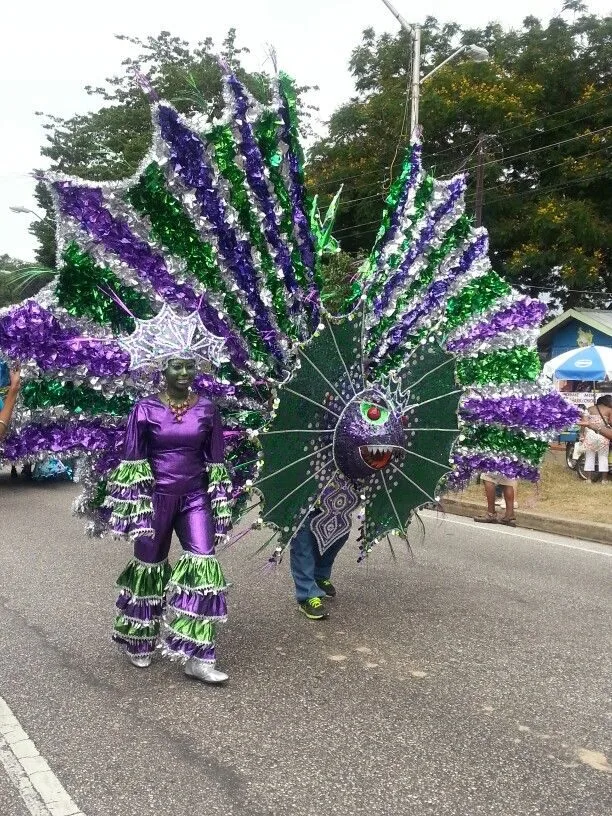
Recent statistics highlight how far the carnival has grown in raw numbers. For the 2024 edition, the Cross River Tourism Bureau reported over 300,000 tourists arriving in Calabar between November and December for the festival and nearby attractions, with an estimated 450,000 onsite spectators across the main carnival, bikers, cultural, and children’s parades.
Spending patterns show how this footfall translates into serious economic activity. Visitors to the 2024 Calabar Carnival spent about ₦8.87 billion on transportation alone, covering air, road, and sea travel into the city, while hotels generated an estimated ₦2.79 billion in room revenue during the peak period as occupancy surged and more than 90% of hotels reportedly operated at full capacity between mid and late December. Additional spending on food, drinks, entertainment, car hire, and related services injected another estimated ₦1.9 billion into the local economy, showing how the carnival circulates money across multiple sectors.
Media reach multiplies this value beyond physical attendance. In 2024, more than 1.2 billion viewers reportedly watched carnival events on satellite television, with over 100 million additional viewers via online streaming, giving Calabar a level of global exposure that few Nigerian cities enjoy.
Culture Powers The Calabar Carnival
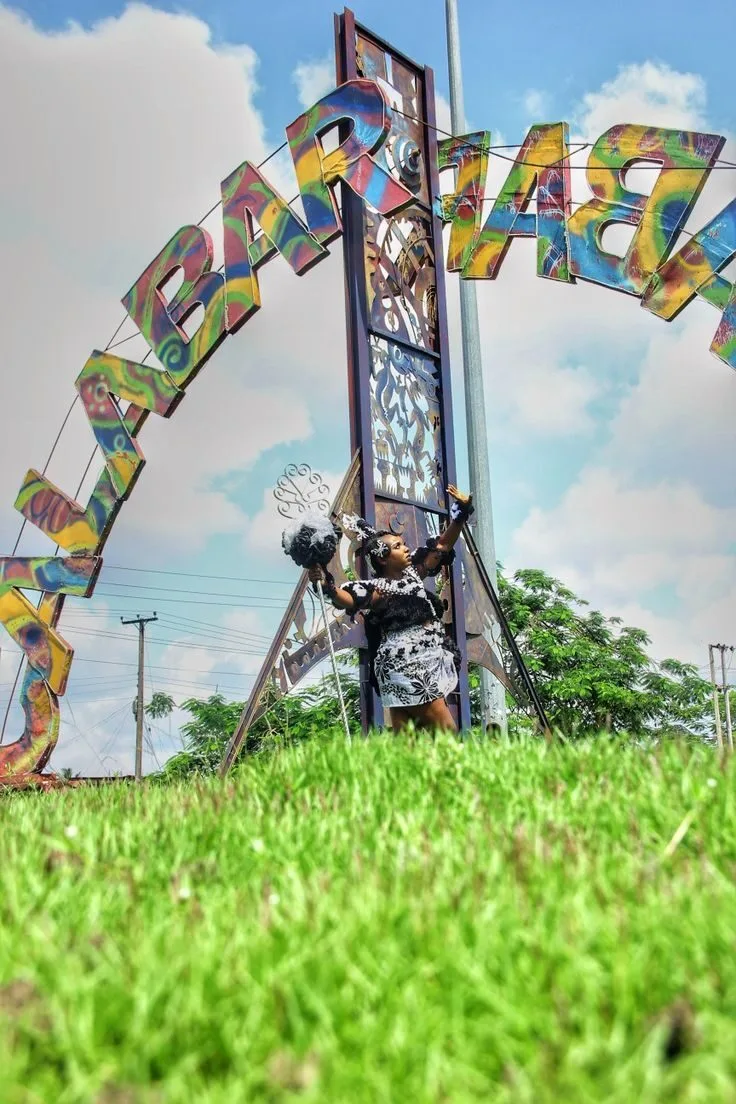
At its core, the carnival is a celebration of culture, identity, and storytelling, with each competing band using elaborate costumes, choreography, and floats to interpret an annual theme. The bands, such as Seagull, Passion 4, Masta Blasta, Freedom, Bayside, and others, blend Efik heritage with pan-African, Caribbean, and contemporary global influences, turning the streets into a moving theatre of ideas about history, resilience, and modern African life.
This creative framework keeps the event anchored in local culture even as it attracts international participants and sponsors. Themes in recent years have explored African unity, climate change, migration, and Black history, encouraging costumiers, choreographers, and designers to use the parade as both cultural expression and civic commentary.
Youth Empowerment, Skills, And Creative Industries
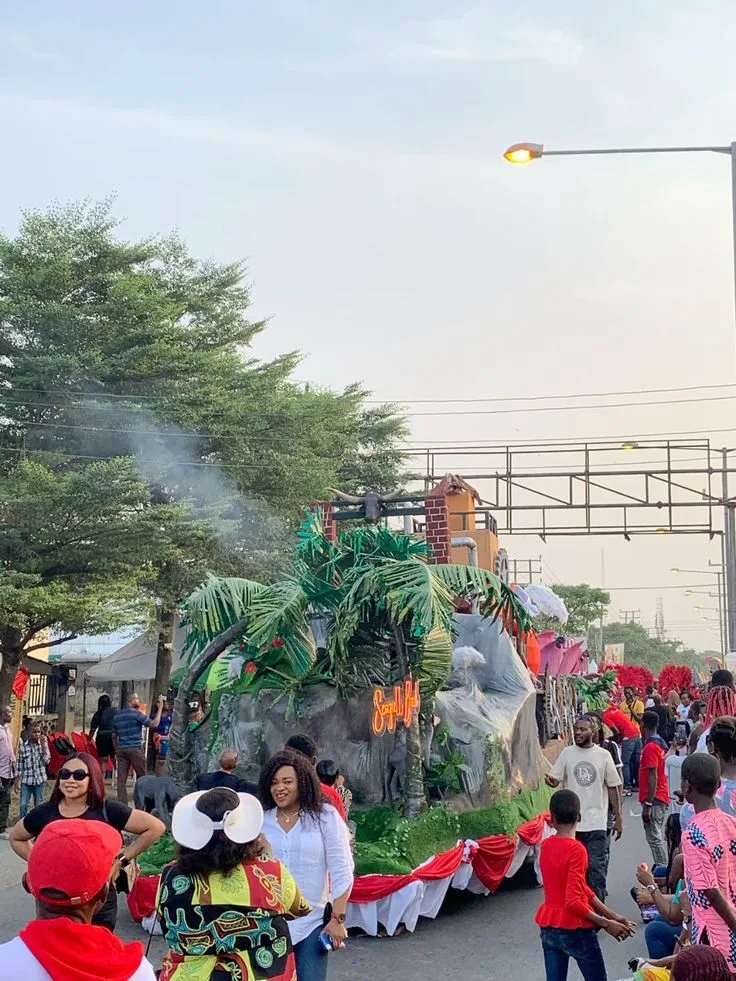
One of the most powerful legacies of the Calabar Carnival is how it channels youth energy into structured creativity. Young people train for months as dancers, band members, bikers, choreographers, and creative directors, learning discipline, teamwork, and performance skills that can be transferred into other sectors like entertainment, fashion, and events management.
The costuming and band system has helped nurture a small but growing creative industry in Calabar. Designers and tailors who once worked only on everyday fashion now take on large-scale projects for bands, learning to handle bulk orders, manage teams, and create exportable carnival aesthetics that can serve events across Nigeria and beyond.
Balancing Growth With Sustainability

As visitor numbers grow and new investors move in, the Calabar Carnival also faces questions about sustainability, inclusiveness, and quality of life for residents. Academic work on festival management in Calabar emphasizes the importance of meticulous planning in areas such as crowd control, waste management, traffic, and the equitable distribution of benefits, ensuring that rising prices and congestion do not displace local communities.
Strengthening institutional capacity, improving data collection, and maintaining transparent partnerships between government, private sector, and host communities are key to preserving the authenticity that drew people to the carnival in the first place. When these elements are balanced, the Calabar Carnival can continue to be both a cultural homecoming for Cross River people and a sustainable economic engine for the city.
The best carnival experiences are planned. Planning to visit Calabar for the December 2026 Carnival? Book your stay early at ChallawaRiver Homes and immerse yourself in an elegant Efik-inspired setting, adorned with folklore art and perfectly located for easy access to local vendors and all the excitement of the Calabar Carnival season.