
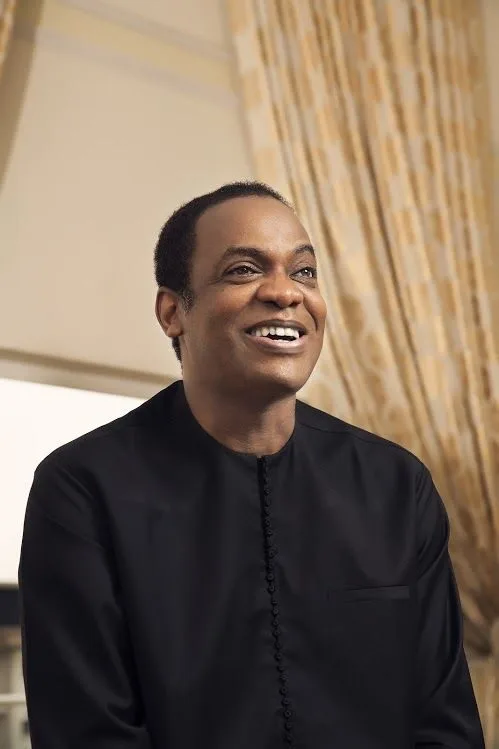
Calabar’s vibrant hospitality scene owes much of its remarkable growth to the visionary leadership of Mr. Donald Duke, whose tenure as Governor of Cross River State marked a transformative era for cultural tourism.
Under his dynamic administration between 1999 and 2007. Calabar emerged not just as a destination, but as a symbol of how tradition and modernity can harmoniously coexist. Calabar began its major transformation under Mr. Duke’s leadership, starting in 1999, when he took office and launched his visionary tourism and urban development agenda. Mr. Duke’s innovative initiatives, including the establishment of landmark festivals and tourism infrastructure, elevated Calabar’s profile on both the national and international stages. His forward-thinking policies encouraged local businesses and communities to invest in showcasing their rich cultural heritage while embracing comfortable, contemporary amenities.
For ChallawaRiver Homes and countless other enterprises across the region, Mr. Duke’s approach created a thriving environment where age-old customs and new economic opportunities flourished side by side, reinforcing Calabar’s reputation as a warm, welcoming city with a unique cultural heartbeat. This legacy continues to inspire ongoing developments in the area’s hospitality sector, driving sustainable growth and attracting visitors eager to experience Calabar’s distinctive blend of history, hospitality, and innovation.
Calabar Carnival – Africa’s Biggest Street Party
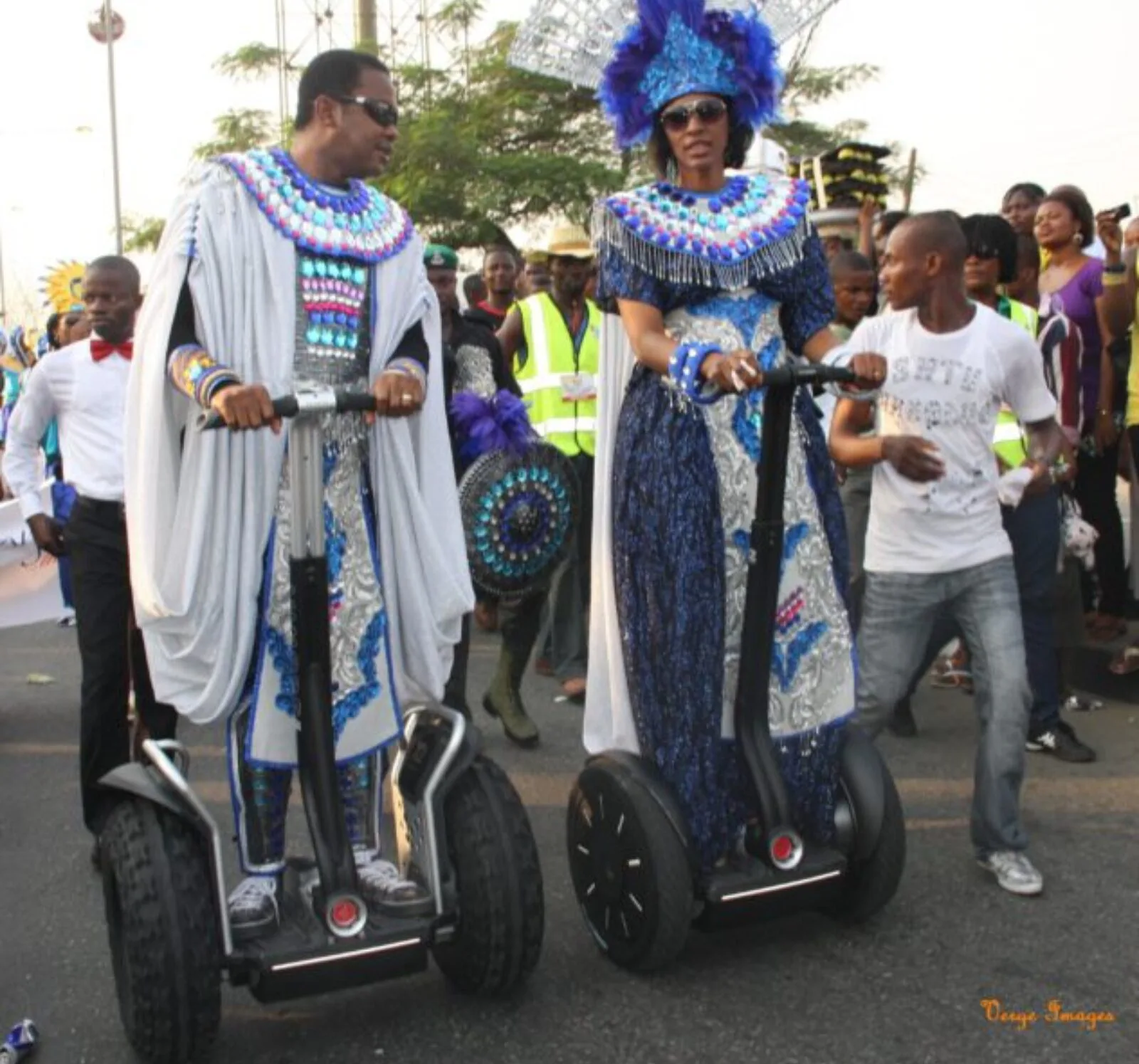
Mr. Duke launched the Calabar Carnival in 2004, establishing it as Africa’s leading street party and a centrepiece of Cross River State’s ambitious tourism drive. This groundbreaking initiative redefined how the festive season was celebrated in Calabar, transforming Christmas into a vibrant, month-long cultural extravaganza that captured the imagination of both locals and tourists alike. The carnival brought together a dazzling array of colourful parades, dynamic performances, and captivating exhibitions, all deeply rooted in Efik traditions and heritage.
By showcasing the rich cultural tapestry of the Efik people alongside contemporary entertainment, the festival not only energized local communities but also created significant economic opportunities through increased visitor spending and hospitality growth. Over time, the Calabar Carnival became a symbol of cultural pride and innovation, helping to position Calabar as a premier destination for unique and immersive African cultural experiences on the global tourism map.
Tinapa Resort – Powering Tourism and Commerce
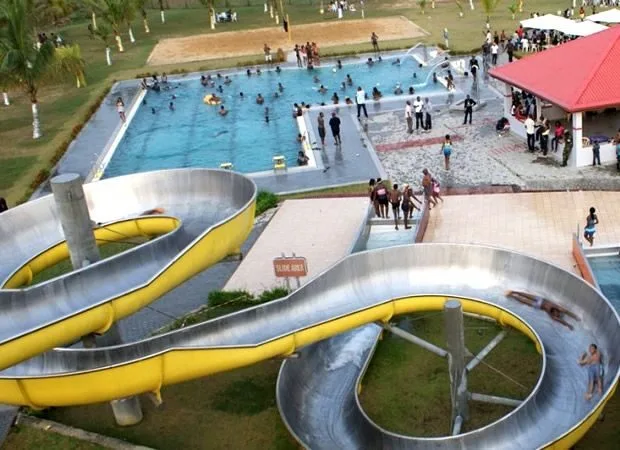
Mr. Duke initiated the Tinapa Resort project with a bold vision to transform Calabar into a modern business and leisure hub, investing over $350 million to bring this ambitious plan to life. Officially launched in 2007, the resort was designed as a multifaceted destination that seamlessly combined shopping, entertainment, hospitality, and state-of-the-art conference facilities. By integrating these diverse elements, Tinapa aimed to attract both domestic and international tourists, business travelers, and investors, significantly raising Calabar’s profile as a premium Nigerian destination. Beyond its economic impact, the resort also represented a forward-thinking approach to regional development, showcasing how infrastructure and cultural tourism could work hand in hand to boost local employment, stimulate commerce, and improve the quality of life for residents. Tinapa set a new benchmark for integrated resort experiences in Nigeria, reflecting Mr. Duke’s commitment to positioning Calabar as a center of innovation and opportunity in West Africa.
Reports show that the Cross River State government approved ₦18 billion for the upgrade and rehabilitation of major tourism assets, including Tinapa Business and Leisure Resort, as part of efforts to boost infrastructure and promote tourism. Recently, on November 7, 2025, the Tinapa Resort was formally handed back to the state government by the Asset Management Corporation of Nigeria (AMCON) after an 18-month moratorium during which the state cleared outstanding debts. Governor Bassey Otu described the handover as “a battle fought and won for all Cross Riverians” and a new dawn for the state’s economy, with plans to reposition Tinapa as a vibrant hub for commerce, tourism, and job creation.
Marina Resort – Cultural Exchange by the Waterfront
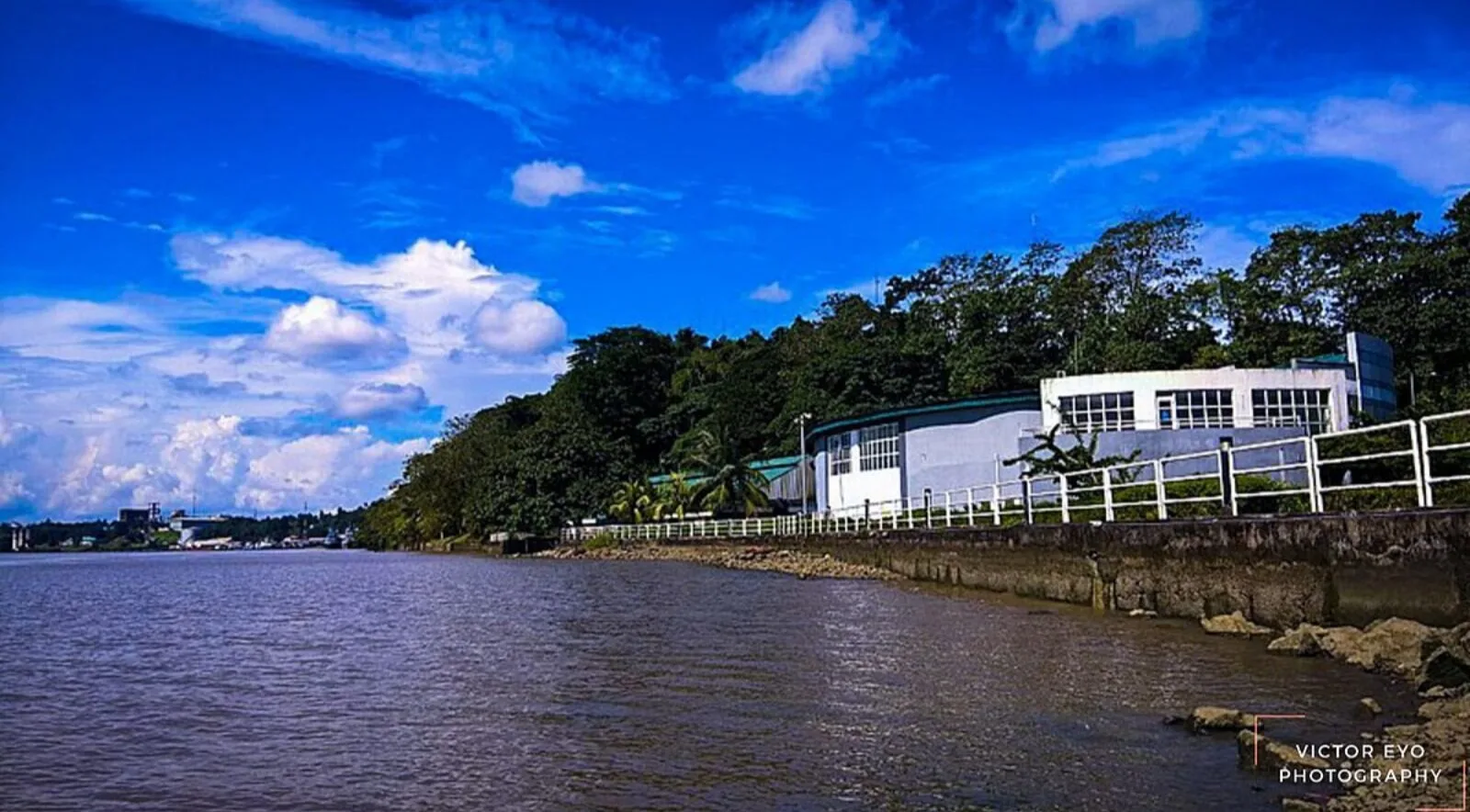
The development of Marina Resort Calabar in 2002 played a crucial role in blending education, leisure, and hospitality, creating a unique space where cultural learning and relaxation coexisted seamlessly. By housing museums, cinemas, and inviting waterfront amenities, the resort provided an immersive experience that made the rich history and heritage of the Efik people accessible and engaging for both international visitors and residents. This initiative not only enhanced Calabar’s appeal as a tourist destination but also served as a vibrant cultural hub where stories, art, and traditions could be celebrated and preserved. The Marina Resort became a vital platform for showcasing Calabar’s past while encouraging contemporary cultural expression, further solidifying the city’s reputation as a welcoming place that values both its deep roots and modern hospitality.
Marina Resort is currently undergoing extensive revitalization through a combination of government and private sector investments totaling approximately ₦8 to ₦18 billion. This ongoing upgrade includes major construction and infrastructure improvements, such as repairing the long-non-functional carousel, enhancing security, and developing new entertainment facilities like a cinema. The government-led "Season of Sweetness" initiative, in conjunction with private investments, aims to transform Marina into a premier leisure and tourism hub, increasing visitor appeal through improved amenities and safety. The resort remains a historic and recreational landmark, actively contributing to Cross River State’s tourism resurgence as a safe, vibrant destination.
Obudu Mountain Resort: A Serene Escape in Cross River’s Highlands
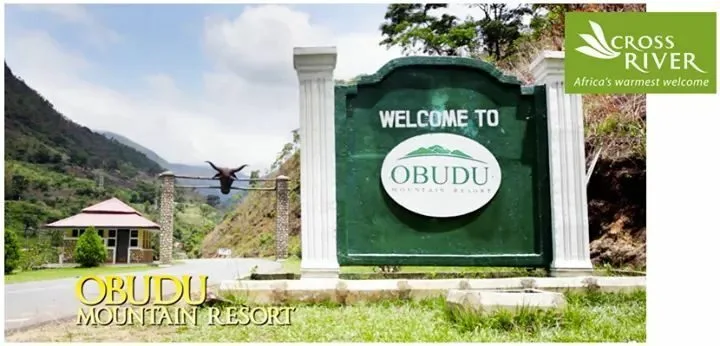
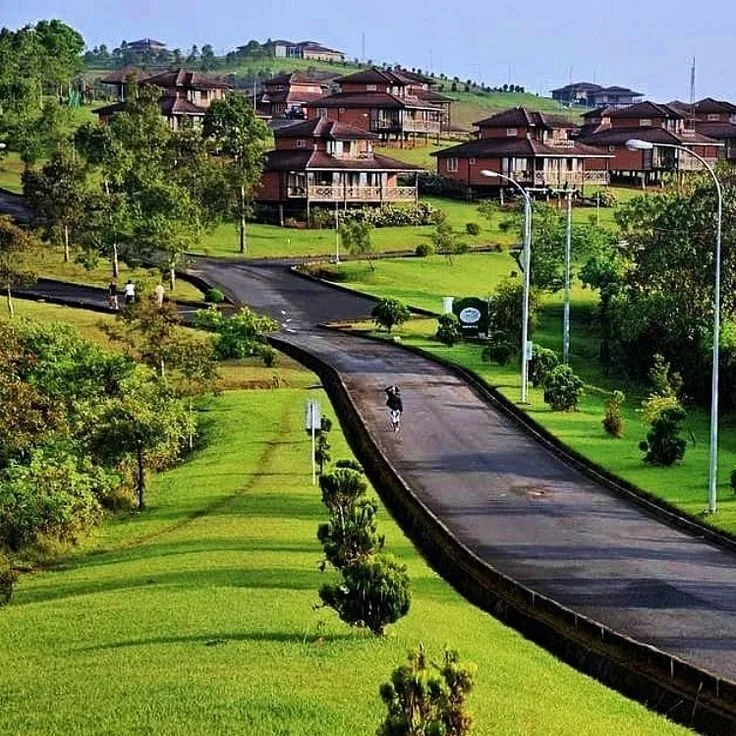
Mr. Duke’s visionary development of the Obudu Mountain Resort marked a key milestone in showcasing Cross River State’s exceptional natural beauty and tourism potential. The resort was designed as a premier mountain retreat, offering visitors world-class hospitality amidst breathtaking landscapes, temperate climate, and lush greenery. With luxury lodges, cable cars, nature trails, and recreational facilities, Obudu Mountain Resort was enhanced and popularized during Mr. Duke’s tenure, with major development efforts culminating in the early 2000s.
Obudu Ranch quickly became a sought-after destination for both leisure travelers and eco-tourists seeking unique outdoor experiences in Nigeria. The resort’s establishment helped to diversify the state’s tourism offerings beyond cultural festivals, positioning it as a year-round attraction with a strong focus on environmental conservation and community involvement.
Complementing the resort’s appeal, Mr. Duke introduced the Obudu Ranch International Mountain Race. This annual sporting event brought elite athletes and adventure enthusiasts from across the globe to test their endurance on the challenging terrain of the Obudu Plateau. This race not only drew significant international attention to the area’s awe-inspiring scenery but also promoted ecotourism and sustainable travel practices aligned with the region’s conservation goals. The influx of visitors during the race enhanced economic opportunities for small hospitality businesses, local guesthouses, and the wider community surrounding the ranch. Together, the resort and mountain race fostered environmental stewardship, community pride, and economic growth, solidifying Cross River State’s reputation as a leading destination for adventure travel, relaxation, and eco-conscious tourism in Nigeria and beyond.
Currently, the iconic Obudu Ranch Resort is set for major reconstruction and revitalization based on a newly completed modern, eco-friendly redesign. The phased reconstruction aims to restore its global appeal, create jobs for local communities, and boost the state economy. The resort has suffered degradation since 2015, exacerbated by the COVID-19 pandemic and challenges with previous concession agreements. The Cross River State Government requires over ₦200 billion for full rehabilitation, with federal support already aiding remedial work like infrastructure repair. Several private investors from different countries have expressed interest in collaborating to restore the resort as a premier eco-tourism destination. This redevelopment is part of a strategic move to position the resort prominently in Nigeria’s tourism sector with upgraded facilities and economic growth opportunities.
Urban Renewal – Cleanest City, Modern Comforts
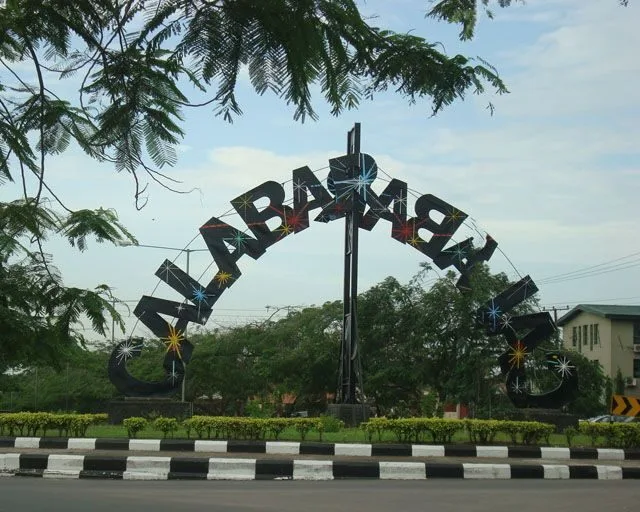
Mr. Duke spearheaded the transformative "Clean and Green" campaign that earned Calabar the reputation as the cleanest city in Nigeria, emphasizing environmental sustainability and urban beautification. His administration invested heavily in comprehensive urban development projects that included modernizing road networks, upgrading water supply systems, enhancing power infrastructure, and implementing strategic urban planning. These improvements not only uplifted the city’s aesthetic appeal but also created a safer, more convenient environment for both residents and visitors. A key feature of the campaign was an extensive tree-planting initiative that added lush greenery to the cityscape, promoting cleaner air and a more refreshing atmosphere. This focus on environmental health and sustainable growth directly benefited hospitality businesses, helping them thrive by providing guests with pleasant, well-maintained surroundings that enhanced their overall experience of Calabar. The campaign set a new standard for urban management in Nigeria, showcasing how thoughtful infrastructure development and ecological care can drive economic and cultural vitality.
Christmas Festival – A New Calabar Tradition
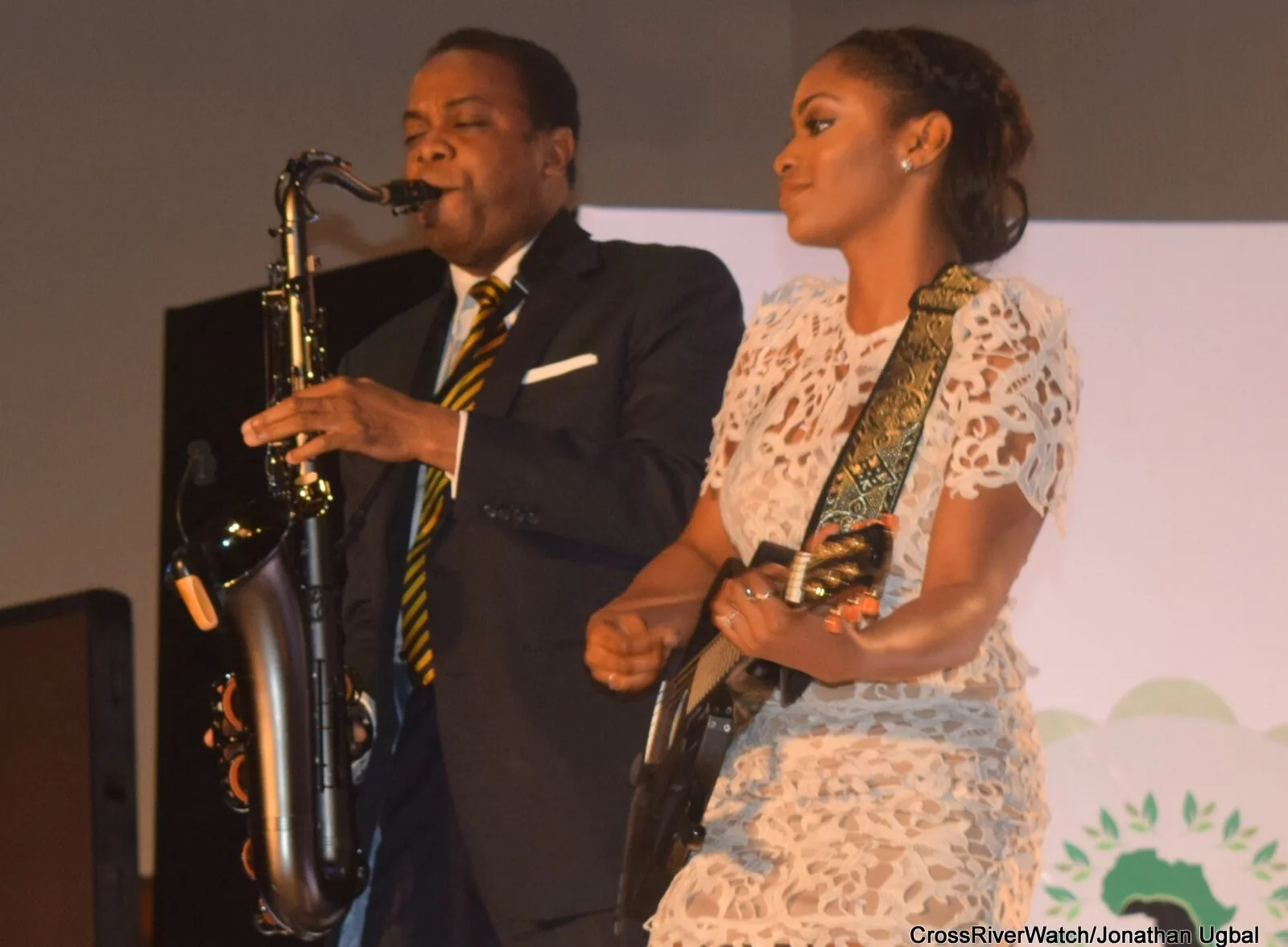
The Calabar Christmas Festival, initiated by Mr. Duke, grew into an expansive, month-long celebration filled with concerts, cultural displays, comedy shows, food fairs, fireworks, and religious events. During Mr. Duke’s era, Christmas in Calabar became a major tourism magnet, supporting local hotels and creating entertainment, pride, and economic opportunities for residents. The festival ran for 31 days, beautifully merging Efik traditions with contemporary entertainment to create a unique holiday experience that garnered nationwide attention.
Streets were decorated with vibrant lights and festive designs, music and dance filled the air, and the city’s energy was at its highest, earning Calabar the title of Nigeria’s Christmas capital. The festival sparked immense anticipation annually, drawing tourists from across Nigeria and beyond who traveled specifically to witness its grandeur and joyful atmosphere.
International acts regularly performed, adding to the festival’s allure and diversity. Famous artists such as Lucky Dube, Akon, Fat Joe, Young Jeezy, Nelly, and Kirk Franklin were among the distinguished performers who graced the stage during the festival’s peak years. Their performances, alongside local cultural displays and traditional dances, created a perfect fusion of global music and Efik heritage, captivating audiences and reinforcing Calabar’s position as a premier cultural and tourism destination.