
Long before modern writing systems became widespread across many parts of Africa, symbols were already being used to communicate stories, emotions, authority, spirituality, and social identity.
Among the most fascinating of these systems is Nsibidi, an ancient collection of symbols and ideographs believed to have originated from the Ejagham people of present-day Cross River State and surrounding regions. Rich in mystery, artistry, and cultural meaning, Nsibidi symbols have survived generations, continuing to inspire artists, designers, architects, and creatives today.
More than simple markings, Nsibidi symbols represent an entire visual language. Historically, they appeared on walls, textiles, pottery, sculptures, ceremonial objects, and even within forms of communication used by secret societies and communities across southeastern Nigeria.
Today, their influence continues to evolve. From interior design and fashion to contemporary African art and branding, Nsibidi symbols are increasingly being reimagined within modern creative spaces. Their geometric beauty, layered meanings, and cultural depth make them powerful tools for storytelling and visual identity.
At ChallawaRiver Homes, where art and culture are thoughtfully woven into the guest experience, African-inspired artistic elements help create spaces that feel deeply connected to heritage, creativity, and place.
This connection to heritage can also be seen in the Nsibidi Suites, thoughtfully named in reference to the ancient writing system itself. Inspired by the symbolism, storytelling, and cultural depth of Nsibidi, the suites reflect a design philosophy that blends contemporary comfort with artistic and historical identity.
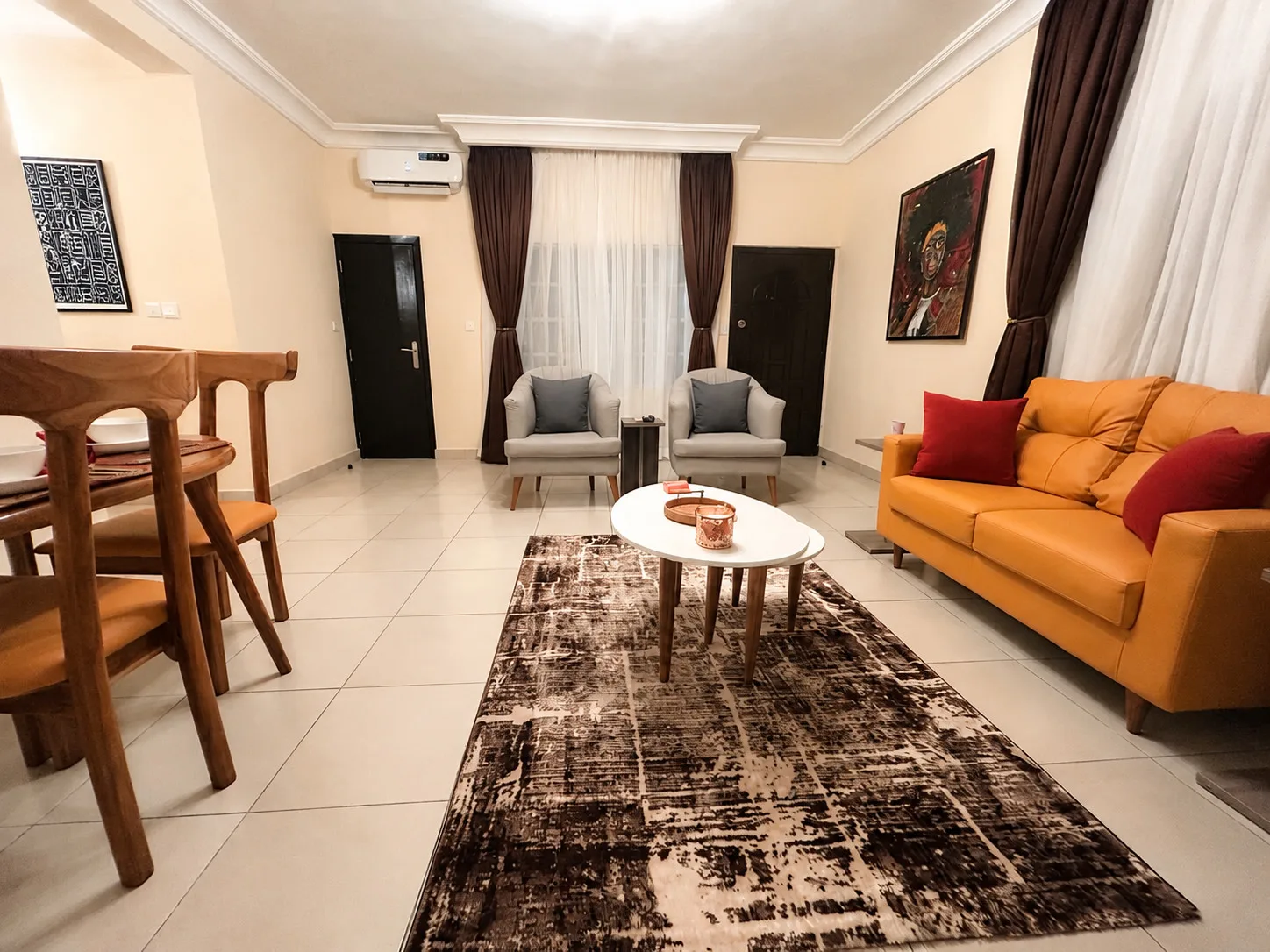
In many ways, the continued presence of Nsibidi symbols in modern design reflects something larger: a growing desire to preserve cultural identity while imagining the future.
Nsibidi Symbols Turn Design Into Storytelling
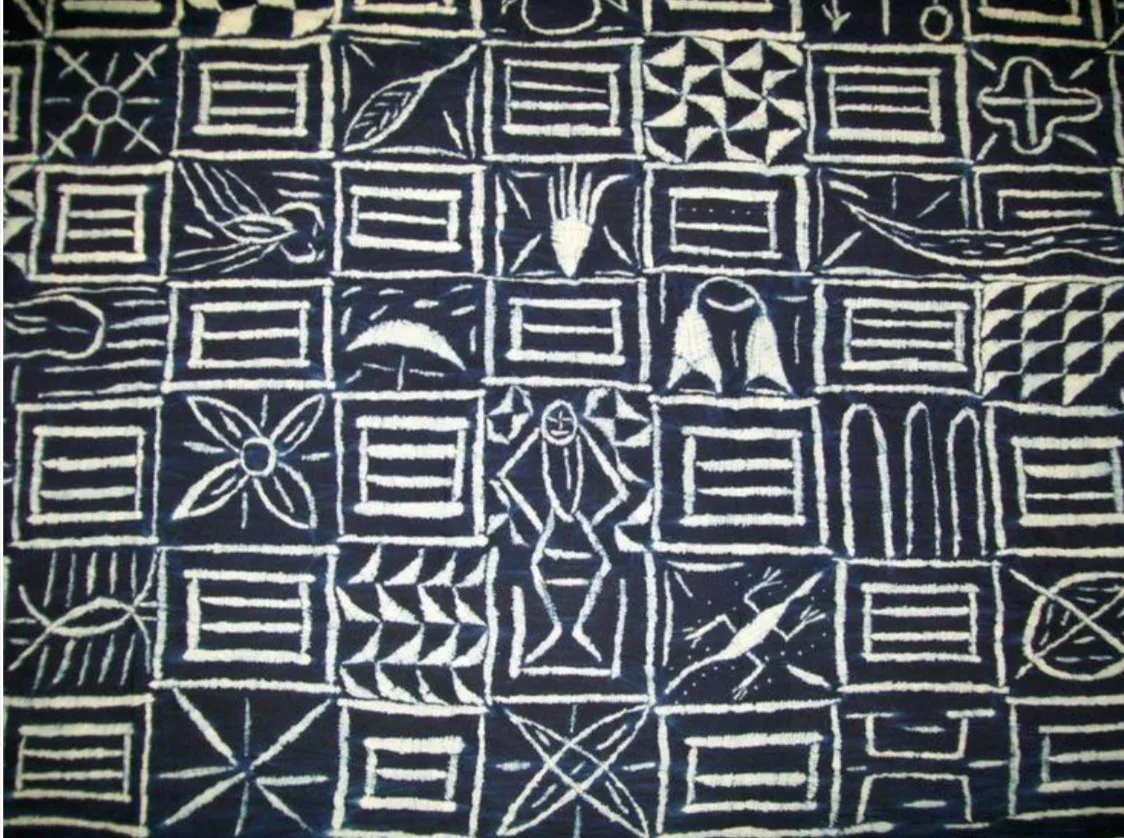
One of the most remarkable qualities of Nsibidi symbols is their ability to communicate ideas visually. Unlike ordinary decorative patterns, many Nsibidi symbols carry specific meanings connected to love, power, unity, conflict, spirituality, leadership, movement, and relationships.
This transforms design into storytelling. A symbol placed within a painting, textile, wall piece, or sculpture can communicate emotion and meaning without words. This layered symbolism creates a deeper connection between art and the viewer.
In modern design, people are increasingly drawn to environments and objects that feel meaningful rather than purely decorative. Nsibidi symbols naturally satisfy this desire.
Their presence introduces mystery, symbolism, and cultural memory into a space. Even when viewers do not fully understand every symbol, they often feel the depth and intentionality behind the design. This is part of what makes African-inspired contemporary interiors so compelling today.
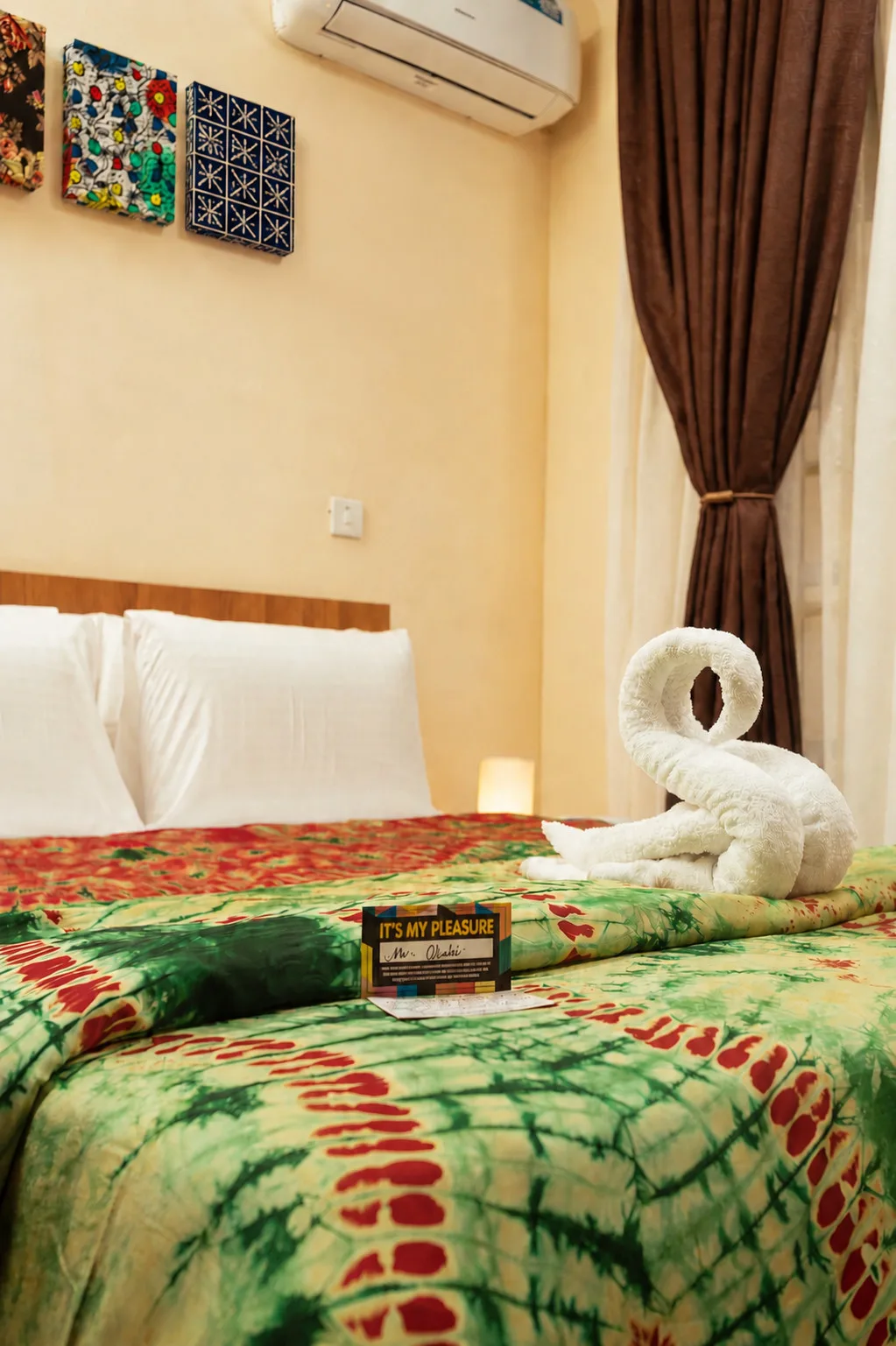
At ChallawaRiver Homes, culturally inspired artworks and decorative pieces contribute to spaces that feel expressive and rooted in heritage rather than generic or disconnected.
Ancient Symbols Create Modern Visual Identity
One reason Nsibidi symbols continue to influence modern creatives is because of their striking visual structure. The symbols are often geometric, abstract, balanced, and visually memorable. Their forms translate beautifully into contemporary design applications.
Today, designers incorporate Nsibidi-inspired motifs into:
- Wall art
- Logos
- Textiles
- Fashion prints
- Sculptures
- Architecture
- Furniture design
- Digital illustrations
- Branding materials
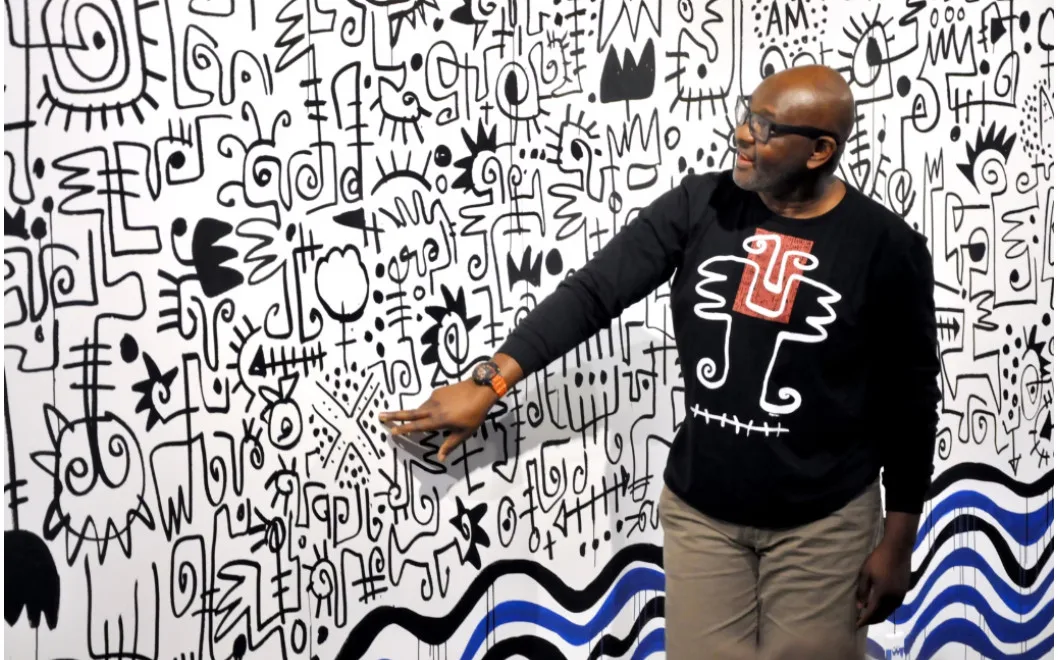
Their adaptability allows ancient cultural symbols to exist naturally within modern aesthetics. This blending of tradition and innovation is becoming increasingly important within African design movements. Rather than abandoning cultural identity in pursuit of modernity, many creatives are choosing to reinterpret heritage in fresh and contemporary ways.
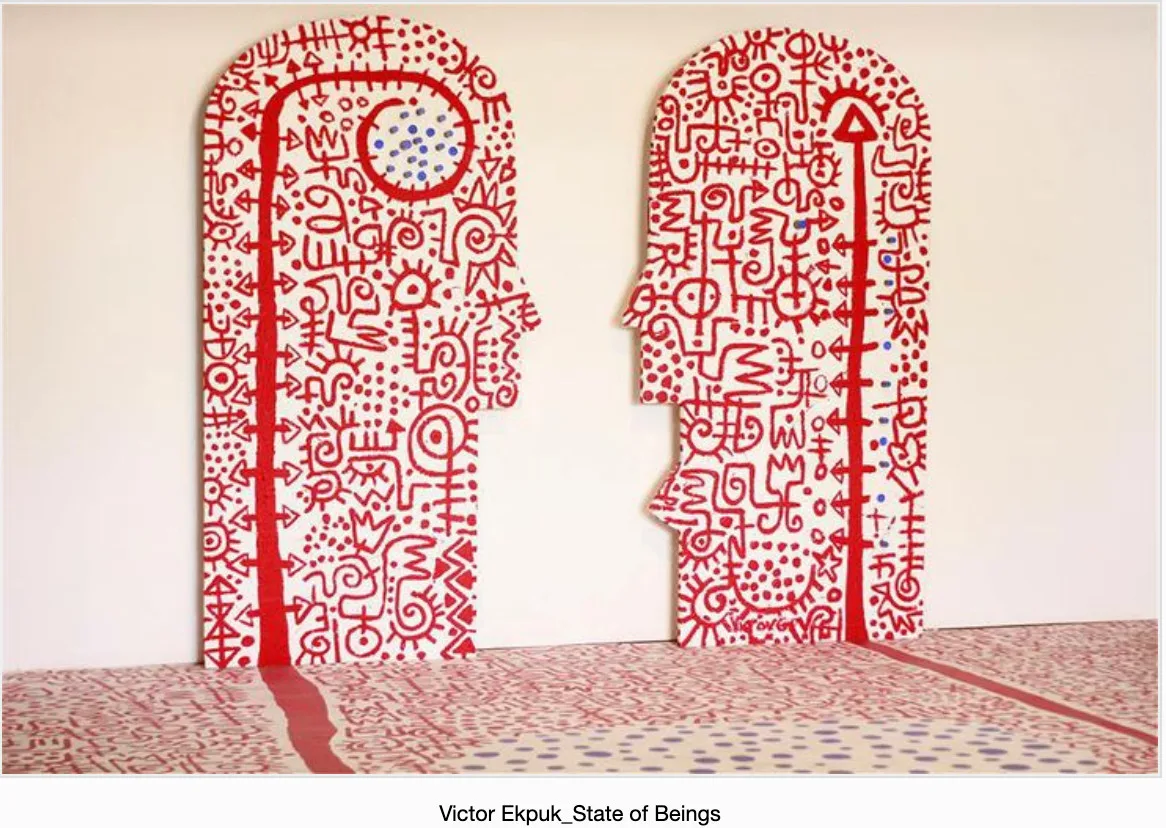
“A discussion of the reemergence of Nsibidi in contemporary art would be incomplete without mention of Victor Ekpuk. He is a Nigerian American-based artist of Ibibio origin whose artworks reimagine nsibidi as an aesthetic and philosophical language. He uses this system to renegotiate African identity, history, and connection to the spiritual realm through nsibidi-infused abstract art. His audience feels his undecipherable text-infused arts rather than trying to read meaning into them; therefore, in a society where art is conditioned to seek explanation or have fixed meaning, Ekpuk’s works are rebels that provide no closure. This feature of his artwork continues the indigenous nature of nsibidi, in which context, meaning, and knowledge are reserved for initiates. Also, by drawing inspiration from this system, his artwork can break linguistic barriers, functioning as visual thoughts rather than text. To this end, Ekpuk’s art becomes an investigation of the past to enquire into the future”.
Nsibidi symbols offer a visual bridge between past and present. They remind people that African cultural heritage is not frozen in history. It is living, evolving, and capable of inspiring modern creative expression.
Nsibidi Symbols Preserve Cultural Memory
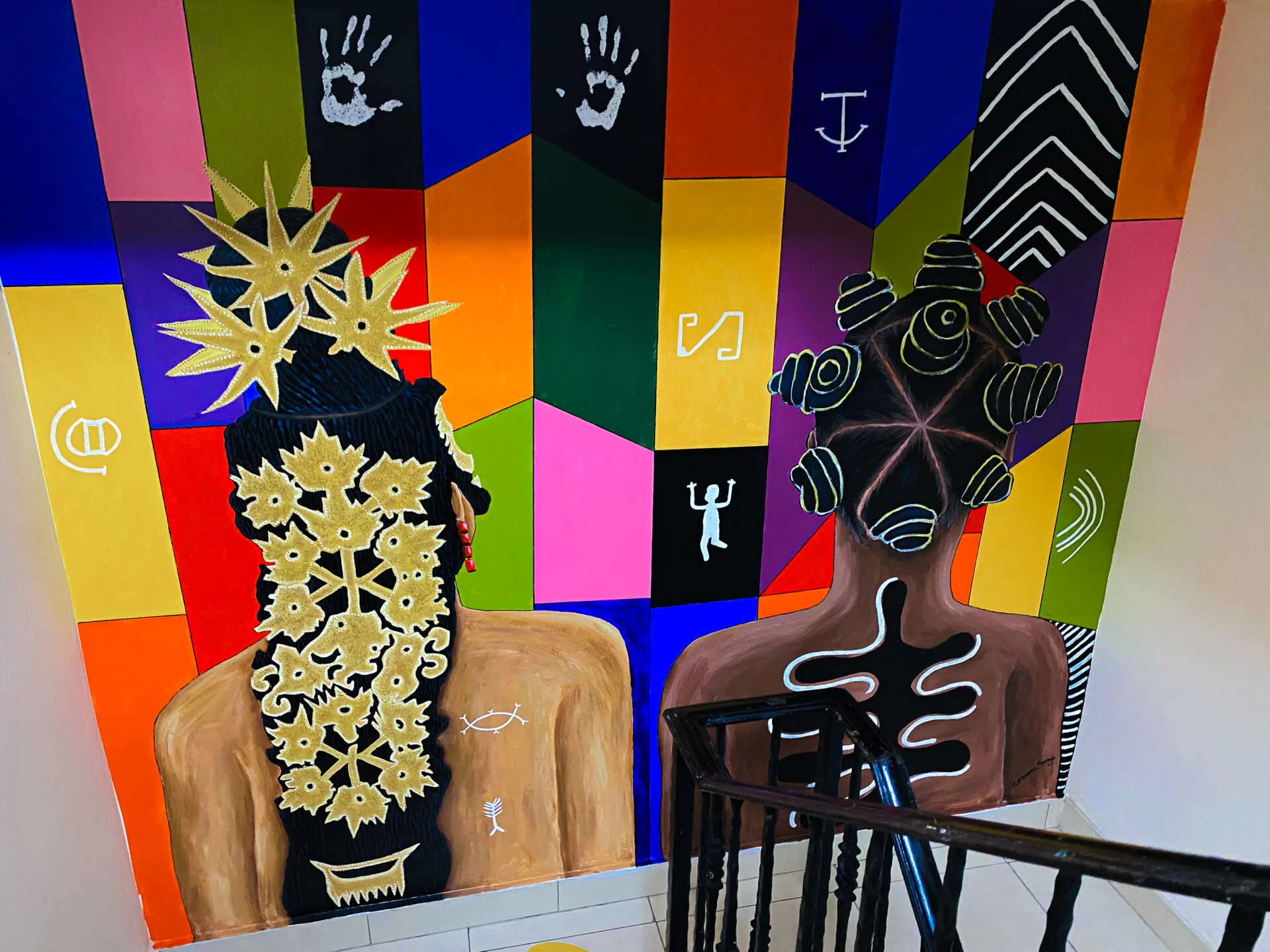
Art and symbols often become vessels for preserving history. Across generations, Nsibidi symbols have carried traces of identity, communication, spirituality, and community traditions within the Cross River region and beyond.
In a rapidly globalizing world, preserving cultural memory has become more important than ever. Many communities are increasingly recognizing the importance of protecting indigenous artistic traditions and passing them forward to younger generations. Modern design plays an important role in this preservation.
When artists, interior designers, architects, and cultural institutions incorporate Nsibidi symbols into contemporary work, they help keep the visual language alive.
This creates opportunities for cultural education and renewed appreciation. Younger generations encountering these symbols through fashion, hospitality spaces, art exhibitions, and digital media may become curious about their origins and meanings. In this way, design becomes more than aesthetics. It becomes cultural continuity.
At ChallawaRiver Homes, the integration of African-inspired artistic elements within the apartments reflects this growing appreciation for cultural storytelling and heritage-centered design.
African Design Is Entering a Global Renaissance
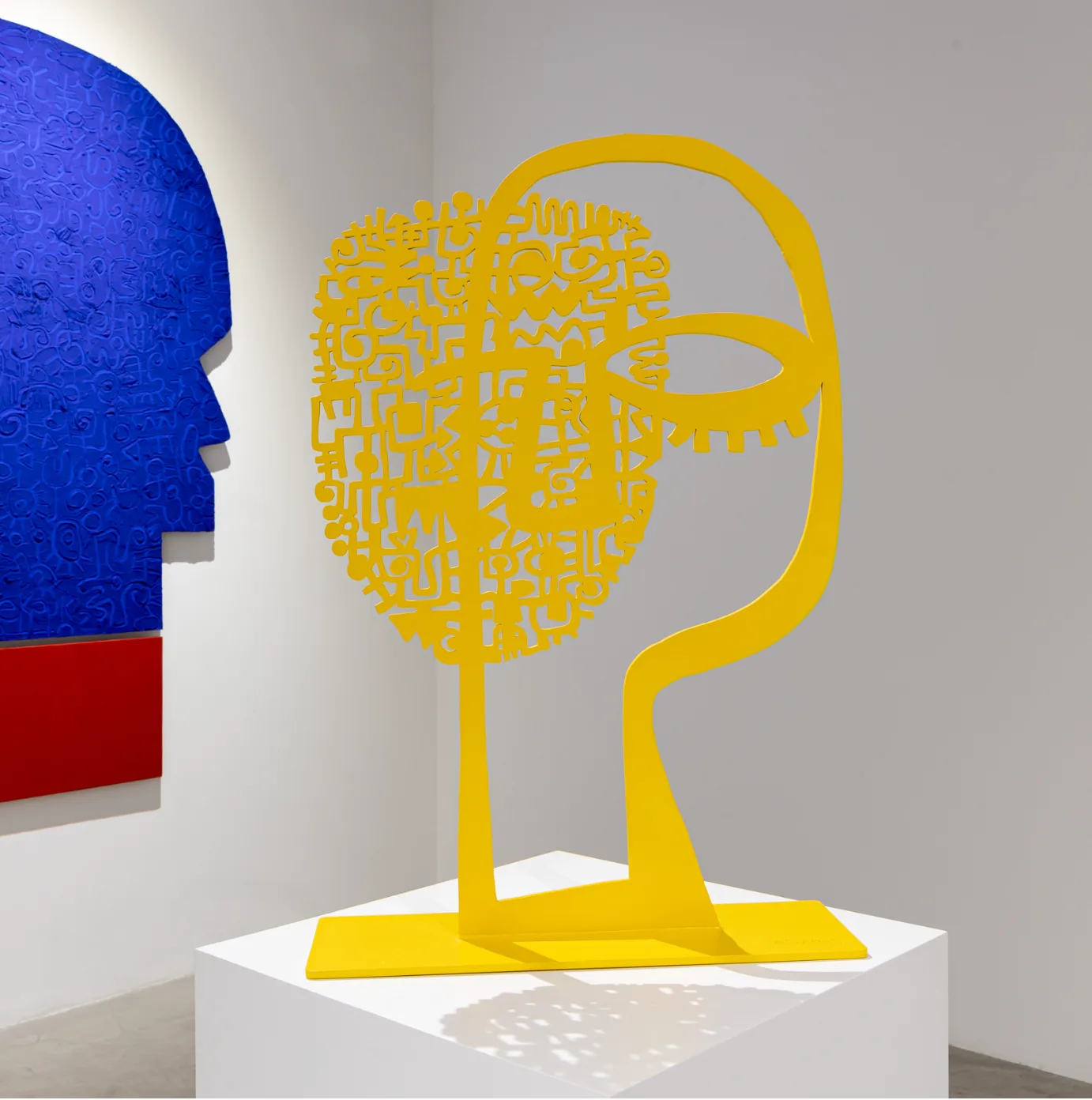
Across the world, African-inspired design is receiving growing international attention. From luxury fashion houses and contemporary galleries to hospitality spaces and architecture, African visual languages are increasingly influencing global aesthetics. This growing interest is not accidental. People are searching for authenticity.
In many modern spaces filled with repetitive trends and mass-produced décor, culturally rooted design feels fresh, emotionally rich, and distinctive. Nsibidi symbols contribute strongly to this movement because they carry both visual beauty and historical depth. Their use within modern interiors creates environments that feel layered and intentional.
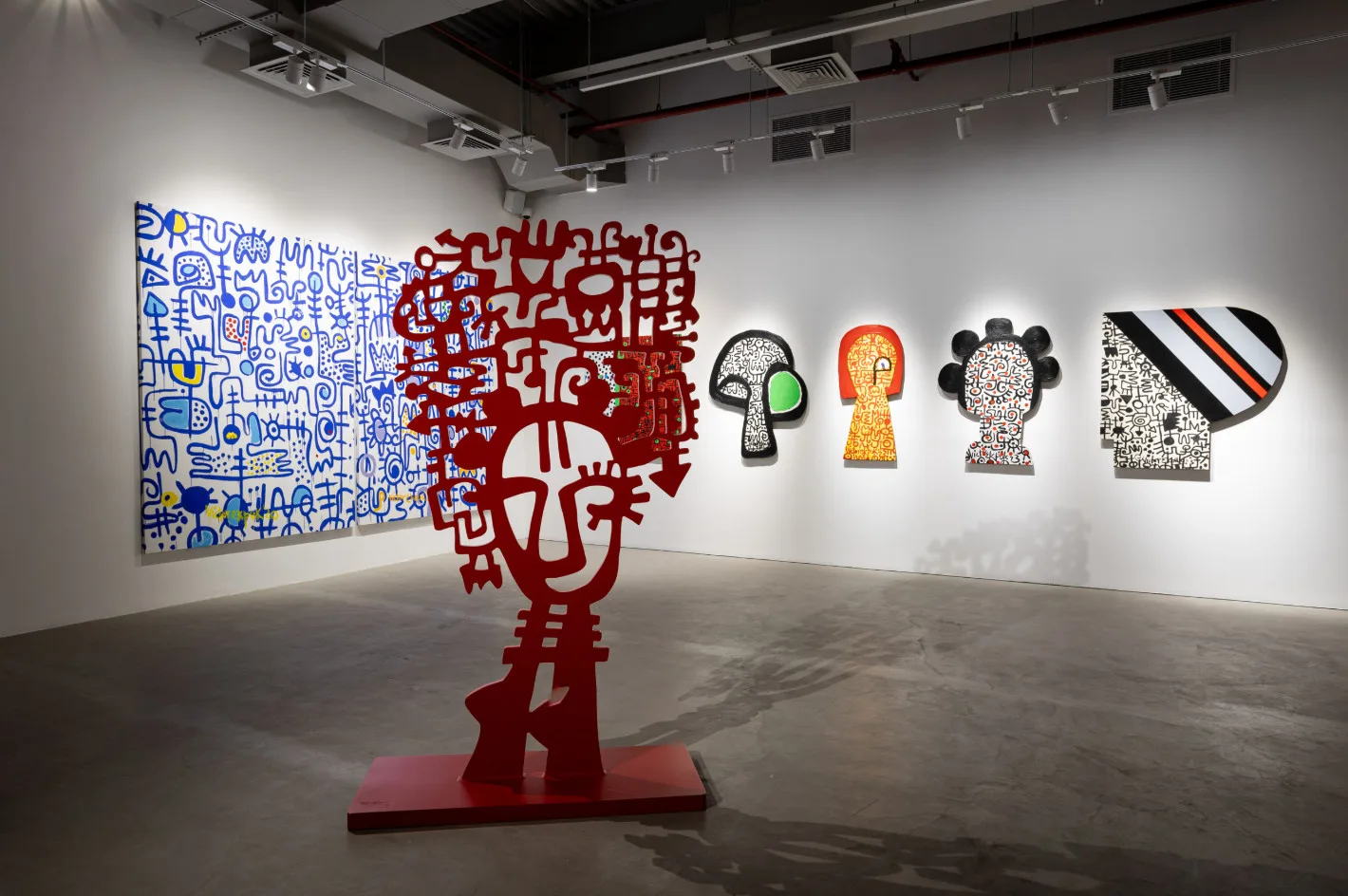
A symbol carved into a wall piece or integrated into artwork immediately introduces a sense of story and identity into the space. This is especially powerful in hospitality environments. Guests today are often looking for more than accommodation. They want experiences that feel connected to place and culture.
At ChallawaRiver Homes, artistic details inspired by African creativity and craftsmanship help create spaces that feel immersive and memorable. The result is an atmosphere where guests experience not only comfort, but also cultural richness.
Nsibidi Symbols Inspire Contemporary Fashion and Art
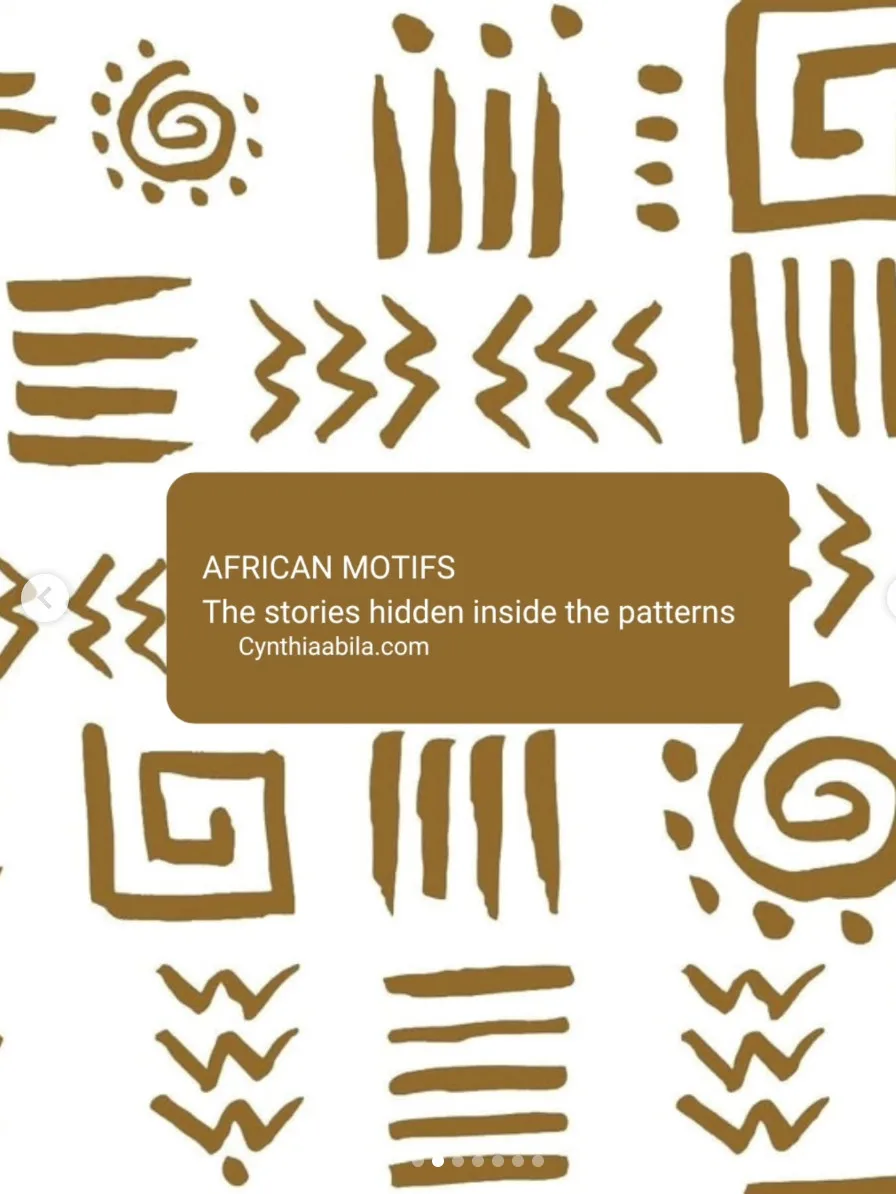
The influence of Nsibidi symbols extends far beyond interiors. Fashion designers, painters, digital artists, sculptors, and photographers continue to reinterpret the symbols through contemporary creative practices.
In fashion, Nsibidi-inspired motifs often appear within:
- Textile patterns
- Embroidery
- Prints
- Jewelry
- Runway collections
- Accessories
These designs allow wearers to carry fragments of cultural storytelling within a modern style. Similarly, contemporary African artists frequently incorporate Nsibidi symbols into paintings and mixed-media works to explore identity, ancestry, spirituality, and memory.
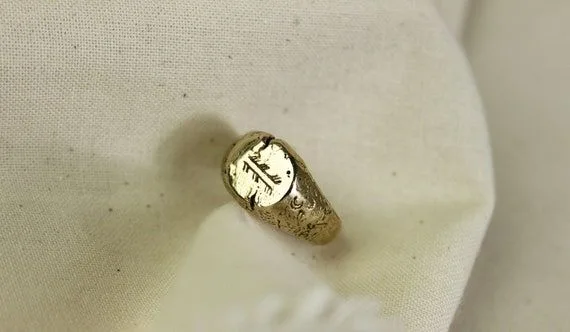
The abstract nature of the symbols also allows artists significant creative freedom. A single symbol may be interpreted differently depending on context, composition, and artistic intention. This flexibility keeps Nsibidi visually relevant within contemporary art spaces. It also reflects something deeper about African creativity itself: the ability to evolve while remaining rooted in history.
Symbols Add Emotion and Atmosphere to Spaces
Design is not only about appearance. It is also about feeling. Symbols influence how people emotionally experience a space. Nsibidi symbols often carry a quiet sense of mystery, rhythm, balance, and movement. Their flowing lines and abstract structures naturally create visual interest and emotional depth.
When integrated thoughtfully into interiors, these symbols can make spaces feel more immersive and culturally expressive. A room decorated with meaningful artistic elements often feels warmer and more memorable than one designed solely around trends.
At ChallawaRiver Homes, the presence of African-inspired décor, handcrafted artistic pieces, sculptures, and cultural design influences contributes to an atmosphere that feels intentional and emotionally engaging. Rather than feeling anonymous, the apartments carry traces of regional identity and artistic heritage.
This emotional connection is what transforms a beautiful space into a memorable one.
The Future of African Design Honors the Past
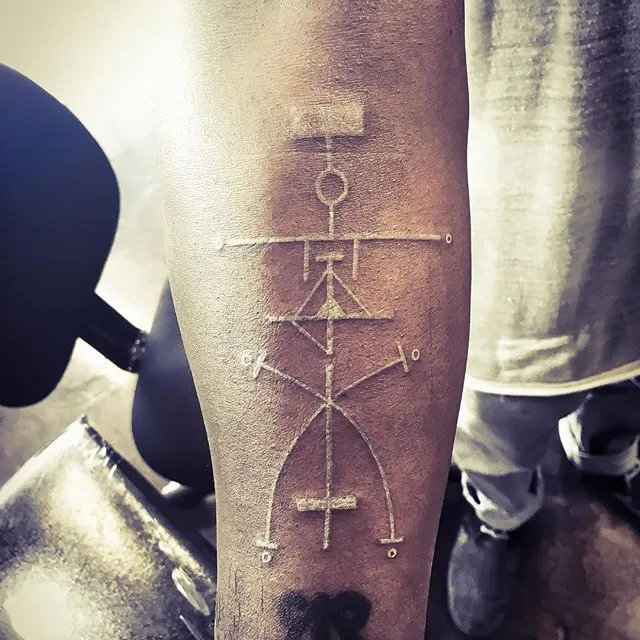
The growing visibility of Nsibidi symbols within modern design reflects an important shift in contemporary African creativity. More designers and artists are embracing indigenous knowledge systems, traditional craftsmanship, and cultural symbolism as valuable sources of inspiration.
This movement is helping redefine how African creativity is viewed globally. Rather than treating heritage as something outdated, modern African design increasingly treats tradition as a foundation for innovation. Nsibidi symbols represent this beautifully. Though ancient in origin, they continue to inspire futuristic fashion, modern interiors, digital art, architecture, and visual branding. Their survival across generations is proof of the enduring power of culture and storytelling. And perhaps that is why they continue to resonate so strongly today.
In a rapidly changing world, people still seek connection. Connection to identity. Connection to history. Connection to meaning. Nsibidi symbols offer all three. Nsibidi symbols are far more than ancient markings. They are visual stories carrying centuries of culture, creativity, communication, and identity. Their continued influence within modern design reflects a growing appreciation for African heritage and artistic expression. From contemporary fashion and architecture to hospitality spaces and interior décor, Nsibidi symbols continue to inspire creatives seeking to create work that feels meaningful, rooted, and visually powerful.
At ChallawaRiver Homes, African-inspired artistic elements contribute to an environment where culture and contemporary comfort coexist beautifully. The result is a space that feels more than functional. It feels alive with story. Because ultimately, the most memorable spaces are often the ones that carry traces of history while still imagining the future.
If you would like to experience hospitality inspired by art, culture, and thoughtful design, book your stay at ChallawaRiver Homes and discover spaces shaped by creativity and heritage.