
Modernisation Threats
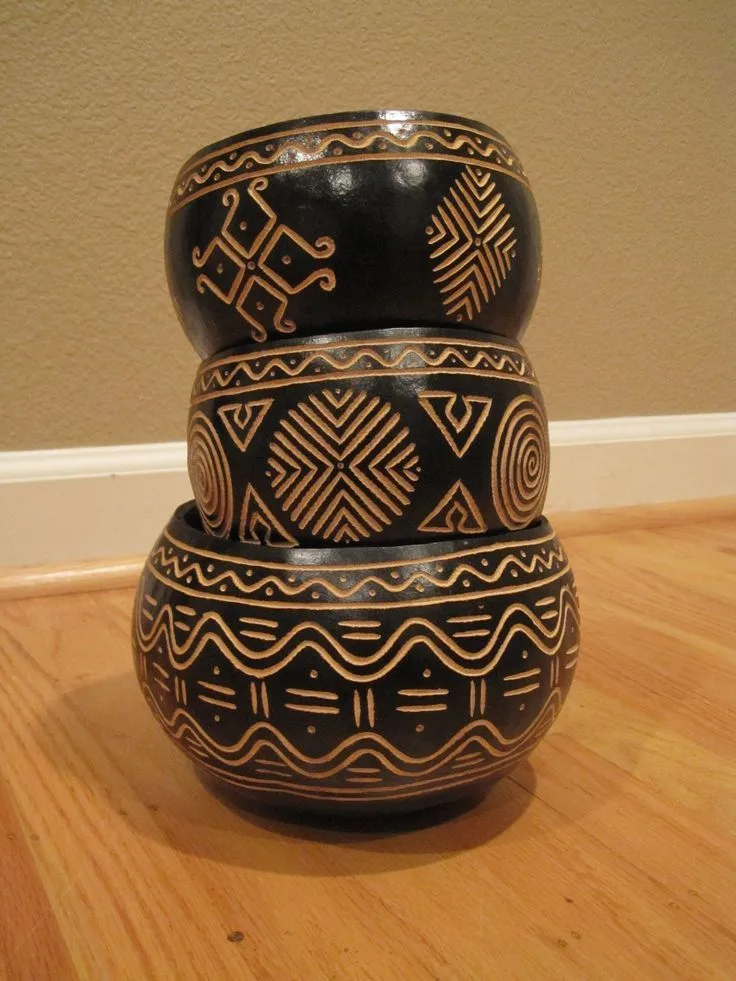
Rapid urbanisation and international chains increasingly threaten the essence of Efik culture in Calabar, diluting cherished recipes like Afang soup through shortcuts with frozen ingredients and sidelining handmade crafts, such as intricately carved calabash, for cheap, mass-produced decor that lacks soul. Surveys from food tourism studies reveal that while tourists passionately crave authenticity, they often note hygiene concerns and service delays in traditional eateries and markets, underscoring critical infrastructure gaps like inadequate cold storage or modern kitchen facilities.
The Calabar Carnival's massive annual influx of visitors amplifies these pressures, straining local markets and artisan stalls while simultaneously offering prime revival platforms through pop-up cultural displays, yet without deliberate strategies, this boom risks permanent cultural dilution as global tastes overshadow local practices. Preserving Efik identity demands robust policy interventions, such as government-backed indigenous food certification programs to verify authentic sourcing and preparation, alongside artisan support funds and hospitality training hubs that shield traditions against these mounting commercialisation.
Artisan Innovations
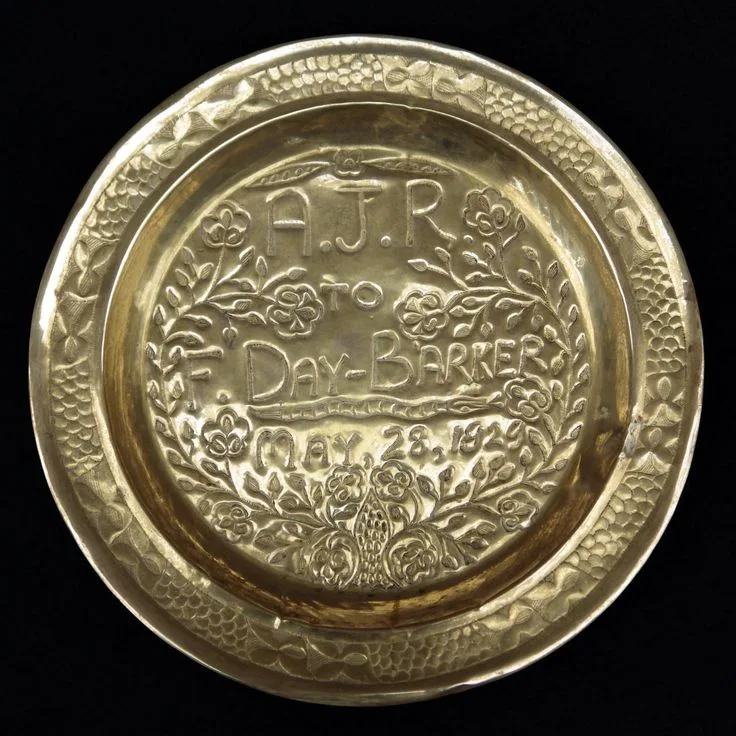
Efik artisans master calabash engravings depicting gods and proverbs, transforming them into hospitality fixtures like decorative platters in homes and hotels. Brass chargers from Old Calabar, etched with birds and motifs, blend into modern lobbies, narrating history silently. Collaborations yield workshops at resorts, where guests learn embroidery tied to Efik music, sustaining skills amid tourism surges. ChallawaRiver Homes integrates these folklore murals, crafting serene sanctuaries that honour heritage without isolation. Such innovations preserve identity while generating jobs, echoing Cross River's cultural economy.
Chef-Led Revival
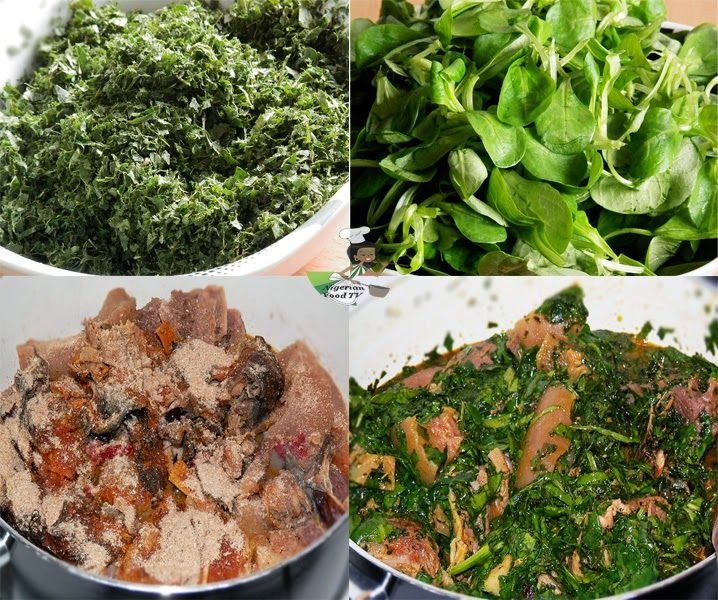
Chefs anchor preservation through Efik staples: Afang soup with water leaves and goat meat, Ukang Ukom ( Plantain porridge), all fresh and flavorful per tourist acclaim. Studies show 4.7/5 ratings for freshness, tying meals to health benefits and history, outperforming processed alternatives. Festivals like Carnival showcase these, with stalls boosting vendor revenues upto 40% seasonally. Cooking classes at family-run spots teach pounding cocoyam for Ekpang Nkukwo, communal rituals fostering bonds. Hygiene upgrades and farm tours address perceptions, ensuring cuisine remains a cultural ambassador.
Host Hospitality
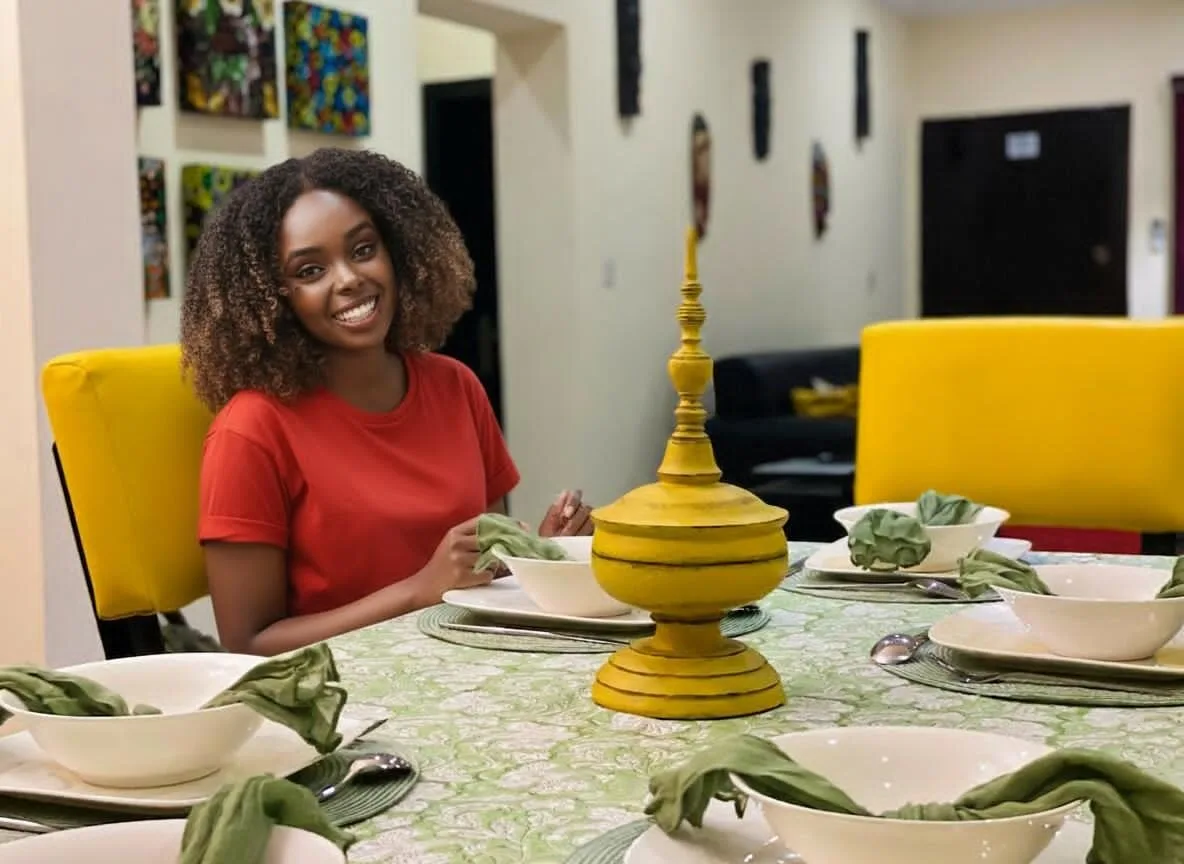
Efik hosts embody profound welcome, infusing stays with storytelling via art and meals, making guests family. Properties like ChallawaRiver Homes exemplify this: tasteful apartments with African aesthetics, Starlink Wi-Fi, Free Airport Shuttle, and Efik folklore pieces for immersive relaxation near attractions. Guests scan for authentic eats, blending convenience with tradition, countering impersonal chains. This model sustains identity, as hosts prioritise local hires and events.
Economic Harmony
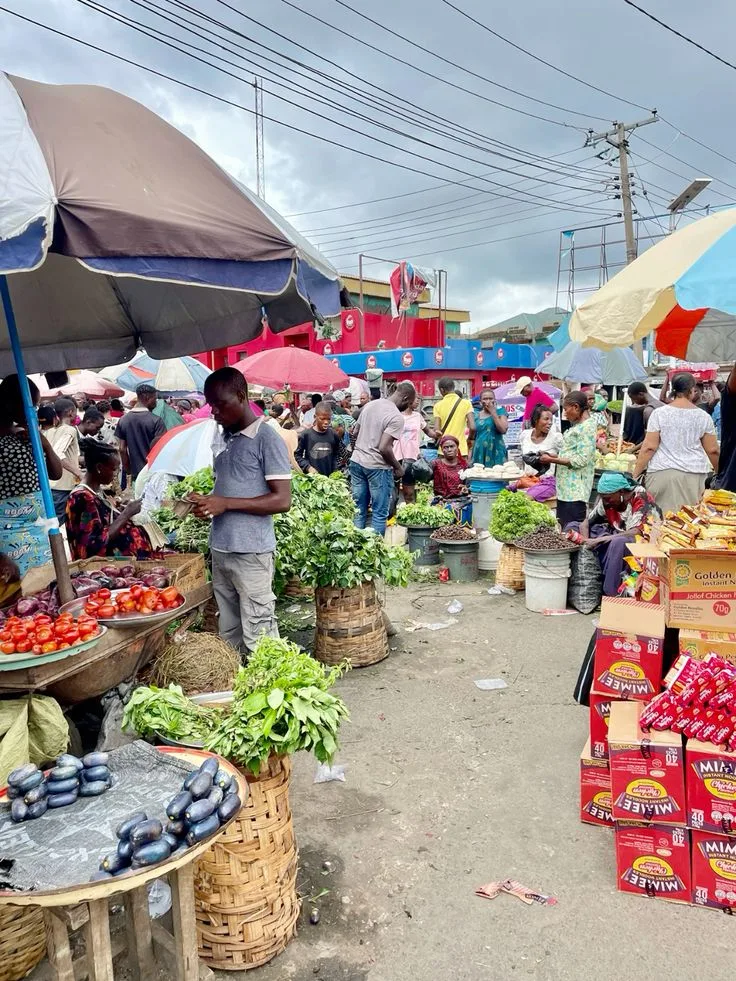
Preserving Efik identity fuels economic growth: food tourism captures 25% of visitor spending, creating youth jobs at markets like Ika Ika Oqua and Watt Market, where fresh Afang ingredients thrive. Artisans will flourish through workshops teaching calabash carving techniques, while Calabar Carnival extends benefits year-round via cultural packages that boost hotel occupancy by 40%. Investments in hygiene standards and targeted promotion could rival global heritage destinations, according to infrastructure research. ChallawaRiver Homes supports this ecosystem with cultural stays featuring folklore art, vendor QR codes, and modern amenities, drawing repeat families and channeling revenue back to communities.
Path Forward
Targeted strategies like specialised chef training programs, vibrant artisan markets, and official heritage certifications are essential to secure the Efik legacy for future generations. These initiatives include government-backed workshops where chefs master authentic recipes such as Afang soup preparation techniques passed down orally, while artisan markets in Calabar's Marina Resort provide platforms for calabash carvers and brass smiths to sell directly to tourists and hospitality businesses. Heritage certifications, modelled after global standards, would verify Efik-sourced ingredients and crafts, building trust and premium pricing that sustains livelihoods.
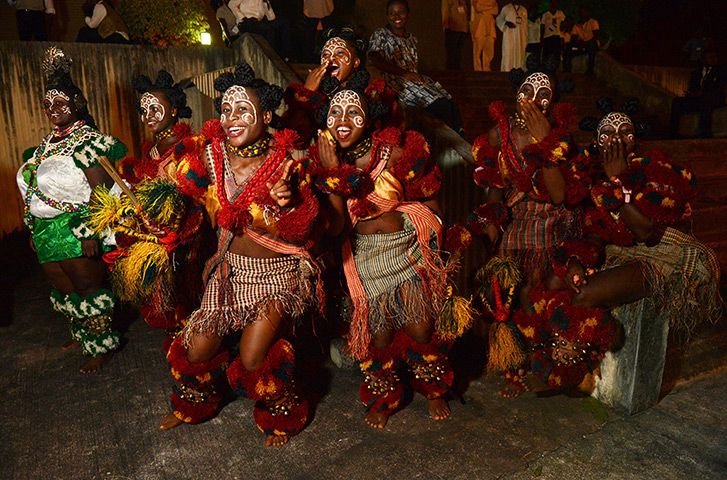
Tourists play a pivotal role by choosing authentic bases like ChallawaRiver Homes, where guests are enveloped in history through immersive folklore art pieces, rich African decor, and QR codes linking to local vendors for genuine experiences, all within tastefully furnished apartments boasting modern amenities like Starlink Wi-Fi, Airport Shuttles, and proximity to cultural sites. This choice supports preservation by channeling tourism revenue back into communities, fostering pride among Efik youth who might otherwise drift to urban homogenisation.
Book your stay at ChallawaRiver Homes today to experience Efik warmth amid Calabar's evolving future, ensuring every visit contributes to a thriving cultural tapestry.