
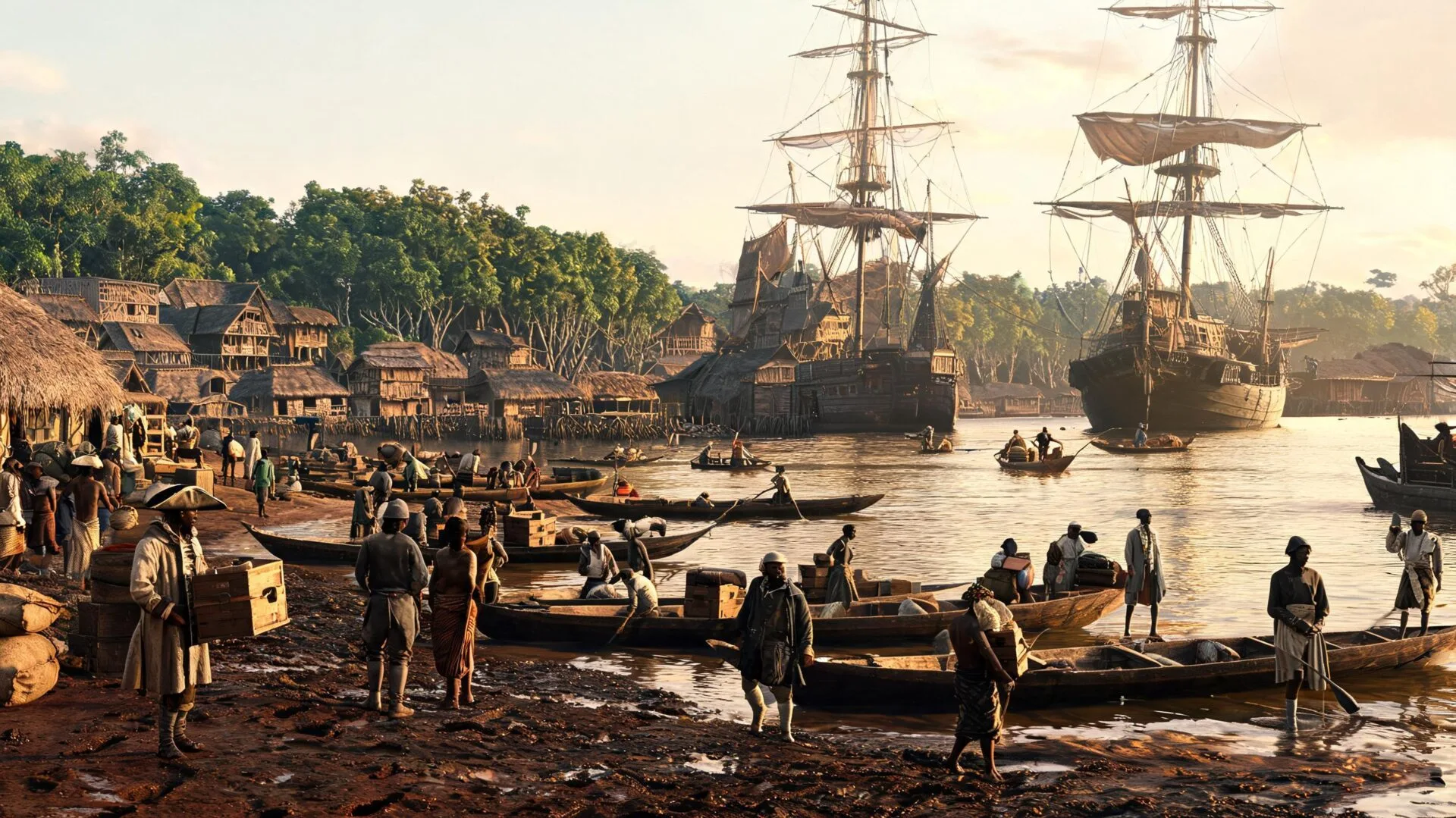
The Atlantic Ocean carried more than ships.
It carried fortunes.
It carried ambition.
It carried empires.
By the middle of the eighteenth century, the name Old Calabar had become known far beyond the shores of present-day Nigeria. British vessels crossed the Atlantic not simply in search of goods, but to negotiate with a thriving African trading kingdom whose merchants had mastered the art of international commerce.
Among the most influential of these merchants was the Robin John family. They were not kings in the way history often imagines African rulers. They were entrepreneurs, diplomats, negotiators, and power brokers who controlled one of West Africa's busiest trading ports. Their wealth was immense, their influence undeniable, and their commercial networks stretched across oceans.
Yet beneath their remarkable success lay a painful contradiction.
The same trade that transformed Old Calabar into one of Africa's most prosperous commercial centres also became one of history's darkest enterprises.
The story of the Robin Johns is therefore not simply one of wealth.
It is a story of power...
...betrayal...
...and history's greatest irony.
The Family That Built an Empire
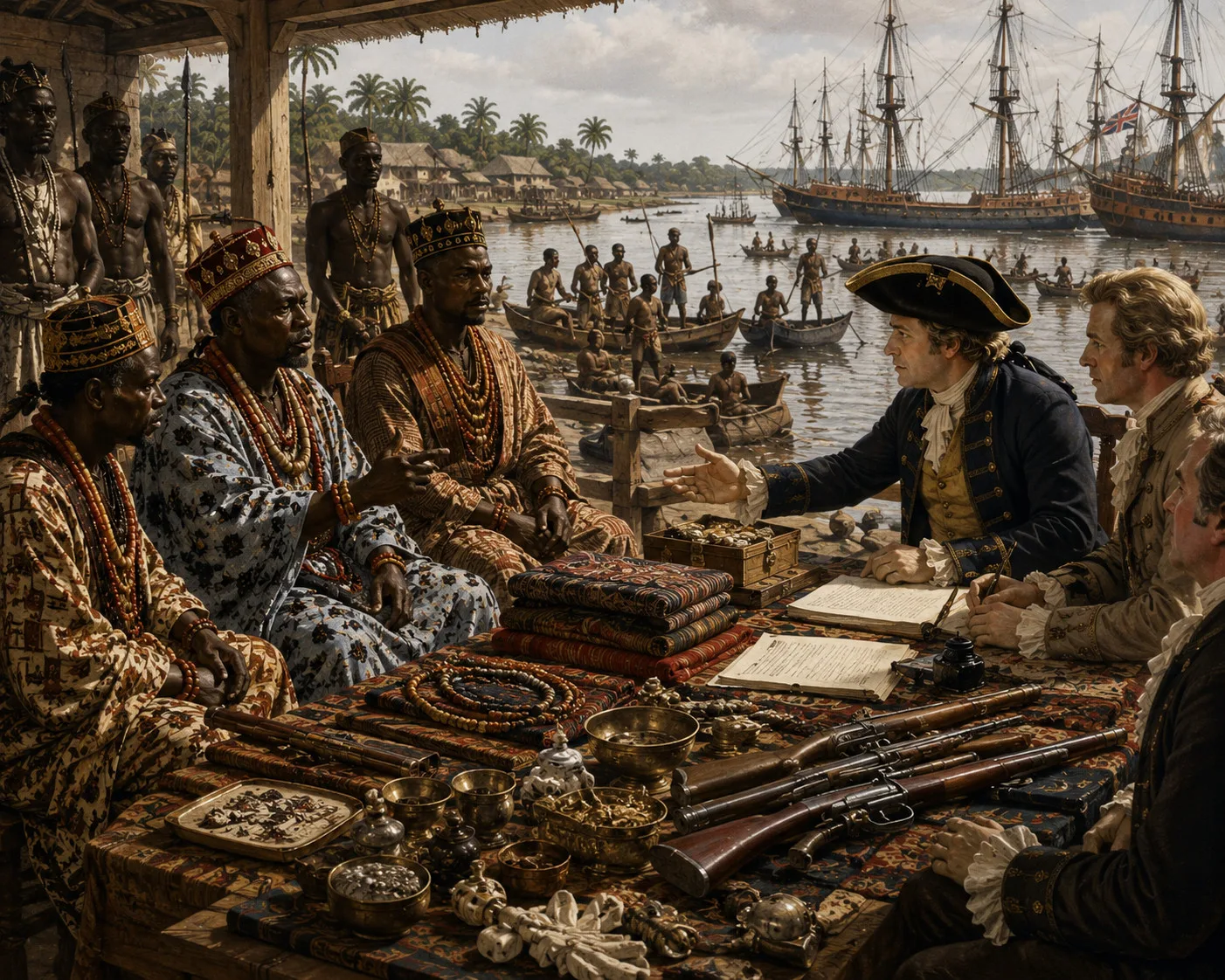
The Robin Johns were more than a successful household. They were one of Old Calabar's most influential merchant dynasties. Among the family's rising stars were Little Ephraim Robin John and Ancona Robin John, two young merchants whose intelligence and confidence made them respected figures despite their age. Unlike many people imagine, these merchants were highly educated in the language of commerce. They spoke English, corresponded with European trading partners, and understood the complex negotiations that governed Atlantic trade.
Their wealth was visible. They imported textiles, fine brassware, firearms, and luxury goods.
Every successful voyage strengthened the family's position and reinforced Old Calabar's growing reputation as one of the Atlantic world's most important commercial ports. Perhaps the most surprising aspect of their success was where power truly lay. Popular history often portrays Europeans as controlling every aspect of Atlantic commerce. In reality, influential Efik merchants frequently dictated prices, negotiated terms, and even detained European traders when agreements proved unfavourable.
Trade was a partnership, but one in which African merchants often possessed more leverage than many people realise. The Robin Johns understood a simple principle:
“Control the experience...and you control the value.”
Centuries later, the same philosophy remains at the heart of premium hospitality. Whether welcoming merchants or modern travellers, memorable experiences are built through trust, attention, and meaningful relationships.
Wealth Built on Chains
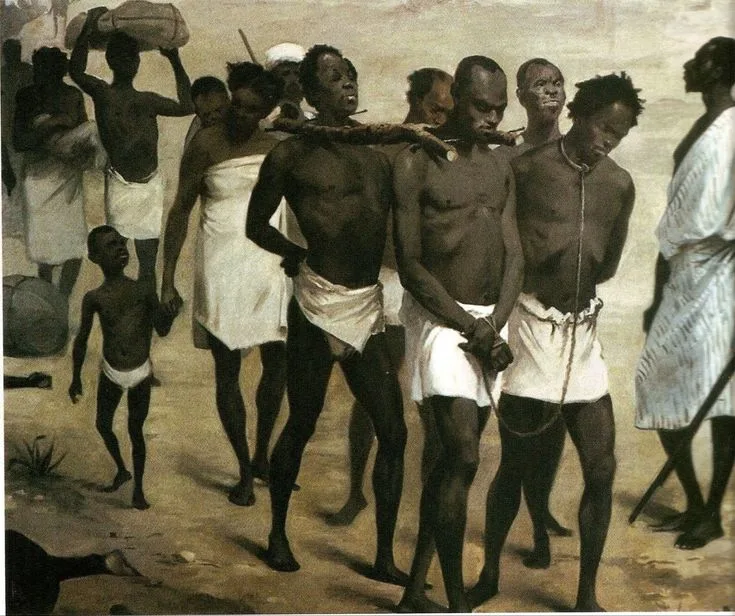
Prosperity, however, came at a terrible cost. The Atlantic trade that enriched Old Calabar depended largely on enslaved people. British ships arrived carrying firearms, metalware, textiles, and spirits. They departed carrying human beings.
Many of those forced aboard these vessels were transported to Jamaica, Barbados, Antigua, and other British Caribbean colonies, where generations would endure lives of forced labour on sugar plantations. For merchant families like the Robin Johns, the trade brought extraordinary wealth. For countless others, it brought unimaginable suffering.
History demands that both truths be remembered. The Robin Johns were brilliant businessmen operating within one of the world's largest commercial systems. Yet they were also participants in an enterprise that treated human lives as commodities. It is this contradiction that makes their story so compelling. They were neither simple villains nor uncomplicated heroes. They were men shaped by an economic system that rewarded commerce without asking enough questions about its human cost.
Then...
Everything changed.
The Day Power Failed
By 1767, tensions between the leading merchant houses of Old Calabar had reached a dangerous point. Commercial rivalries had become deeply personal.
Among the Robin Johns' greatest rivals was the influential Duke Ephraim, another powerful trader competing for control of the lucrative Atlantic trade. What began as negotiations soon descended into betrayal.
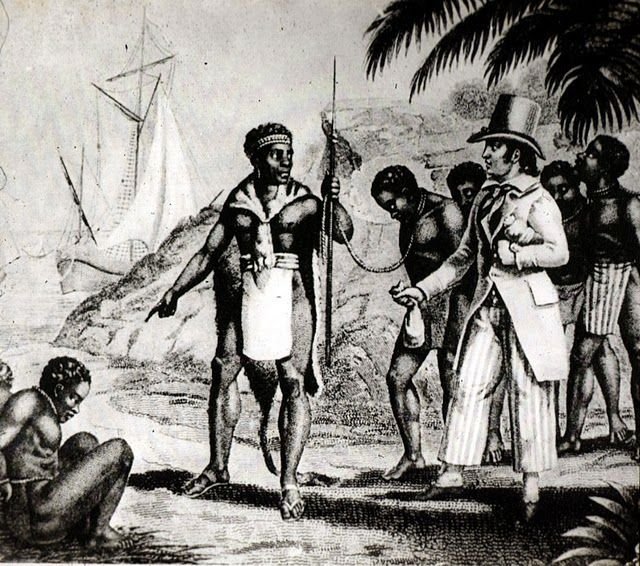
During what appeared to be a routine trading meeting involving British Captain James Bevins, violence erupted. Warriors loyal to rival interests attacked. Several of Grandy King George's followers were killed. Amid the chaos, Little Ephraim Robin John and Ancona Robin John were seized, chained, and handed over to European traders. Within days, the merchants who had once negotiated the price of captives found themselves loaded onto a slave ship bound for Dominica.
The Atlantic Ocean had turned against them.
The system that had made them wealthy had claimed them too.
To be continued…