
When the Missionaries Arrived
For centuries, Old Calabar had welcomed outsiders.
First came merchants seeking trade.
Then diplomats.
Then explorers.
By the mid-nineteenth century, a different kind of visitor arrived.
Missionaries.
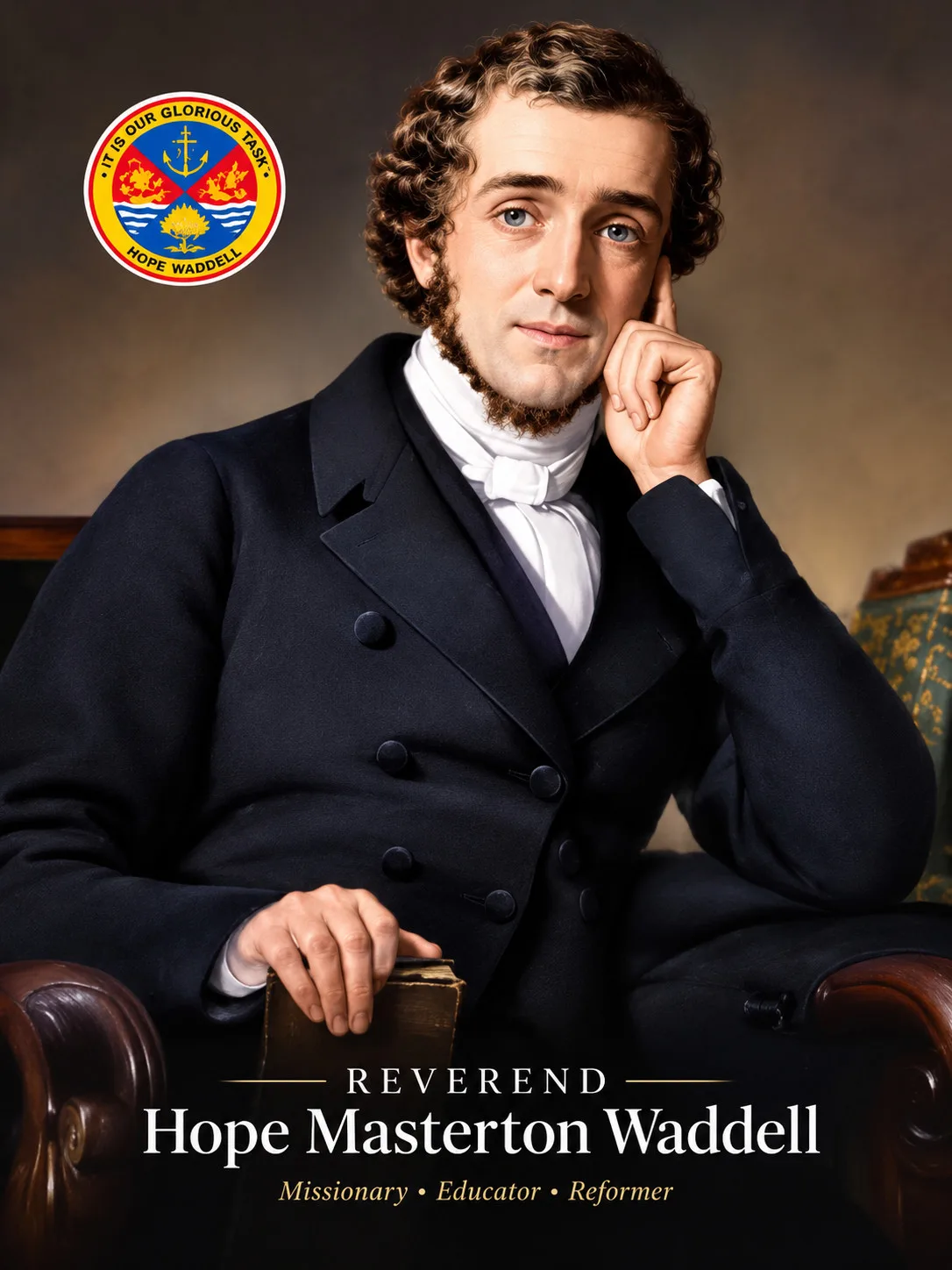
Among the earliest was Hope Masterton Waddell, the Scottish Presbyterian missionary whose arrival marked the beginning of organised Christian missionary work in Calabar. Unlike the merchants who had come before him, Waddell's mission was not commerce but education, literacy, healthcare, and the Christian faith.
Schools were established. Churches were built. Young people learned to read and write.
Western education introduced new opportunities that would eventually produce teachers, pastors, civil servants, and professionals who helped shape modern Nigeria. To many families, these changes were exciting. To others, they were unsettling. Accepting the missionaries often meant questioning traditions that had defined Efik society for generations. The challenge was no longer about trade. It was about identity.
Education That Outlived the Mission
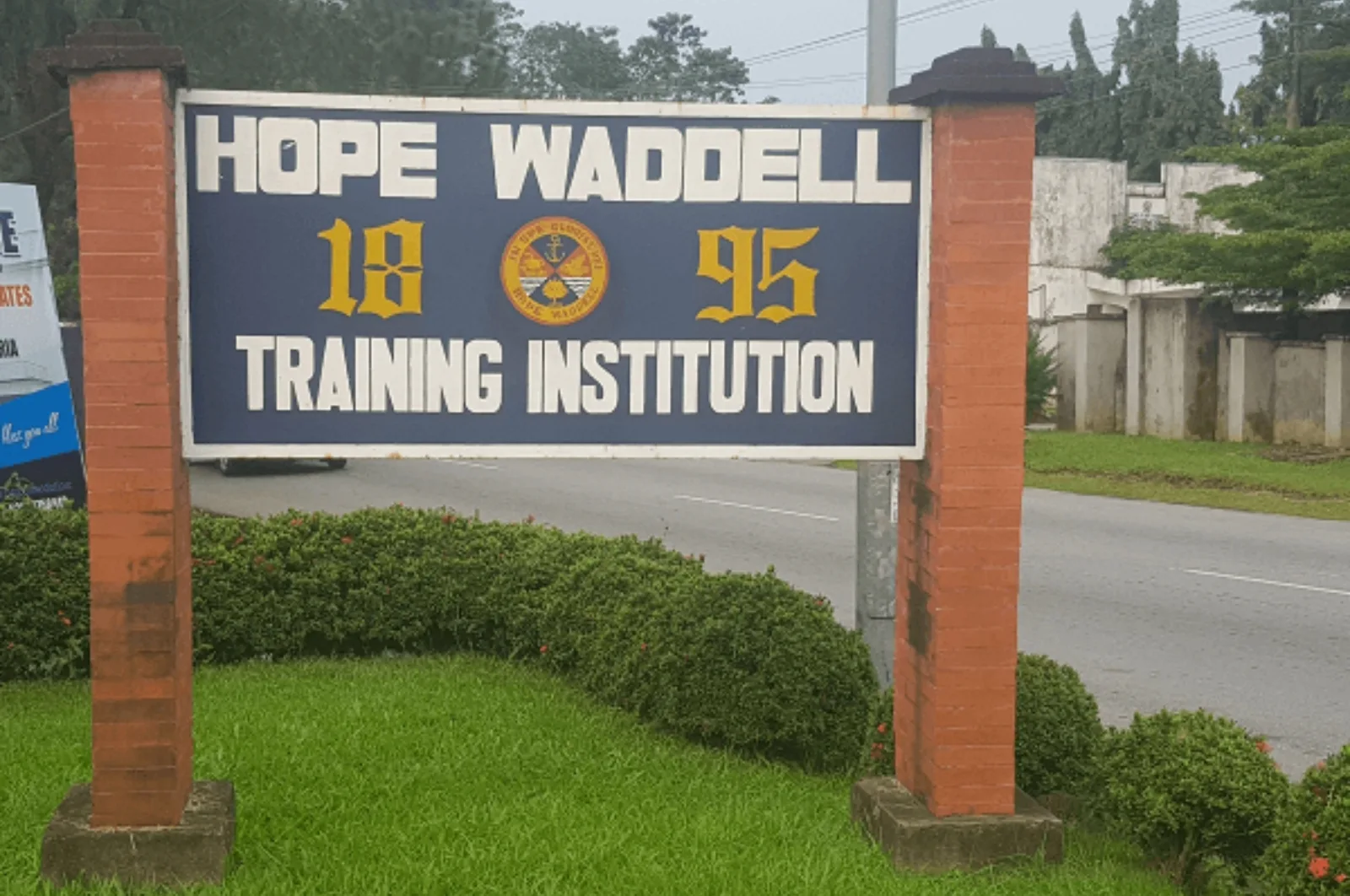
Perhaps one of the missionaries' most enduring legacies was not the churches they built, but the minds they helped shape. In 1895, the Hope Waddell Training Institution (HWTI) was established in Calabar by missionaries of the United Presbyterian Church of Scotland and named in honour of Reverend Hope Masterton Waddell. Unlike many schools of its time, HWTI combined academic learning with practical vocational training in fields such as printing, carpentry, engineering, tailoring, and teacher education, preparing young Nigerians for leadership in a rapidly changing society.
The institution soon became one of the most respected schools in West Africa, attracting students from across the region and producing generations of influential leaders, professionals, and public servants. More than a school, Hope Waddell became a symbol of how education could bridge cultures, creating opportunities while allowing many Efik families to engage with the modern world on their own terms.
The Traditions They Could Not Understand
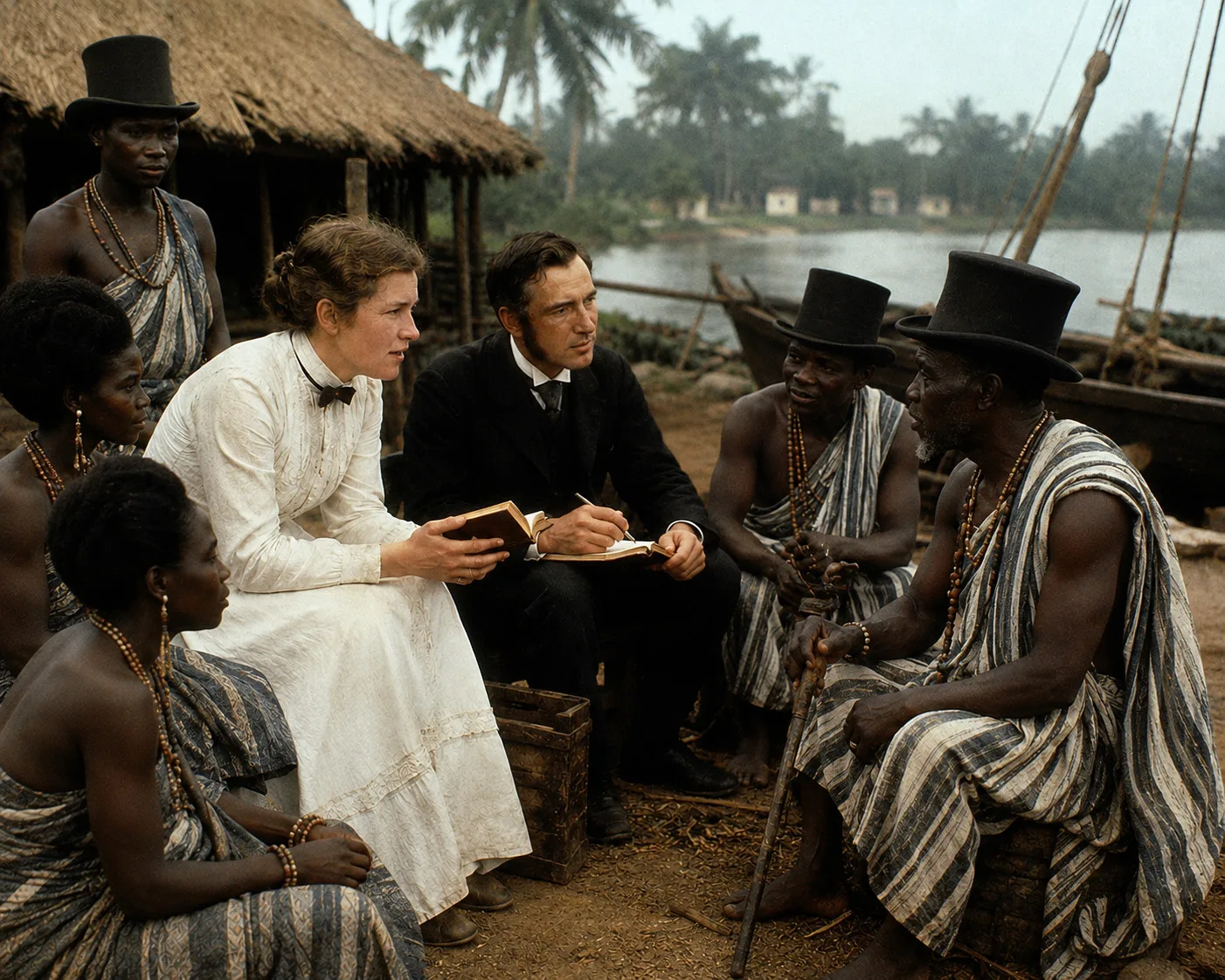
Many of the customs the missionaries encountered shocked them.
Practices such as the killing of twins, certain forms of human sacrifice connected to royal funerals, and traditional religious ceremonies stood in direct conflict with Christian teachings.
To the missionaries, these practices appeared cruel and irrational.
To many within Efik society, however, they were rooted in deeply held beliefs about the spiritual world, protection, and communal wellbeing.
Long before scientific explanations existed, unusual births and unexplained deaths were often interpreted through spiritual beliefs shared across many cultures worldwide. These traditions did not emerge from simple cruelty; they reflected people's attempts to make sense of life, death, and the unknown.
Understanding this distinction is important.
History becomes richer when we seek to understand why people believed what they did, rather than judging them only through modern perspectives.
The missionaries challenged these beliefs.
The Efik defended many of them.
And somewhere between resistance and acceptance, a conversation began that would reshape Calabar forever.
Mary Slessor Was Not the Whole Story
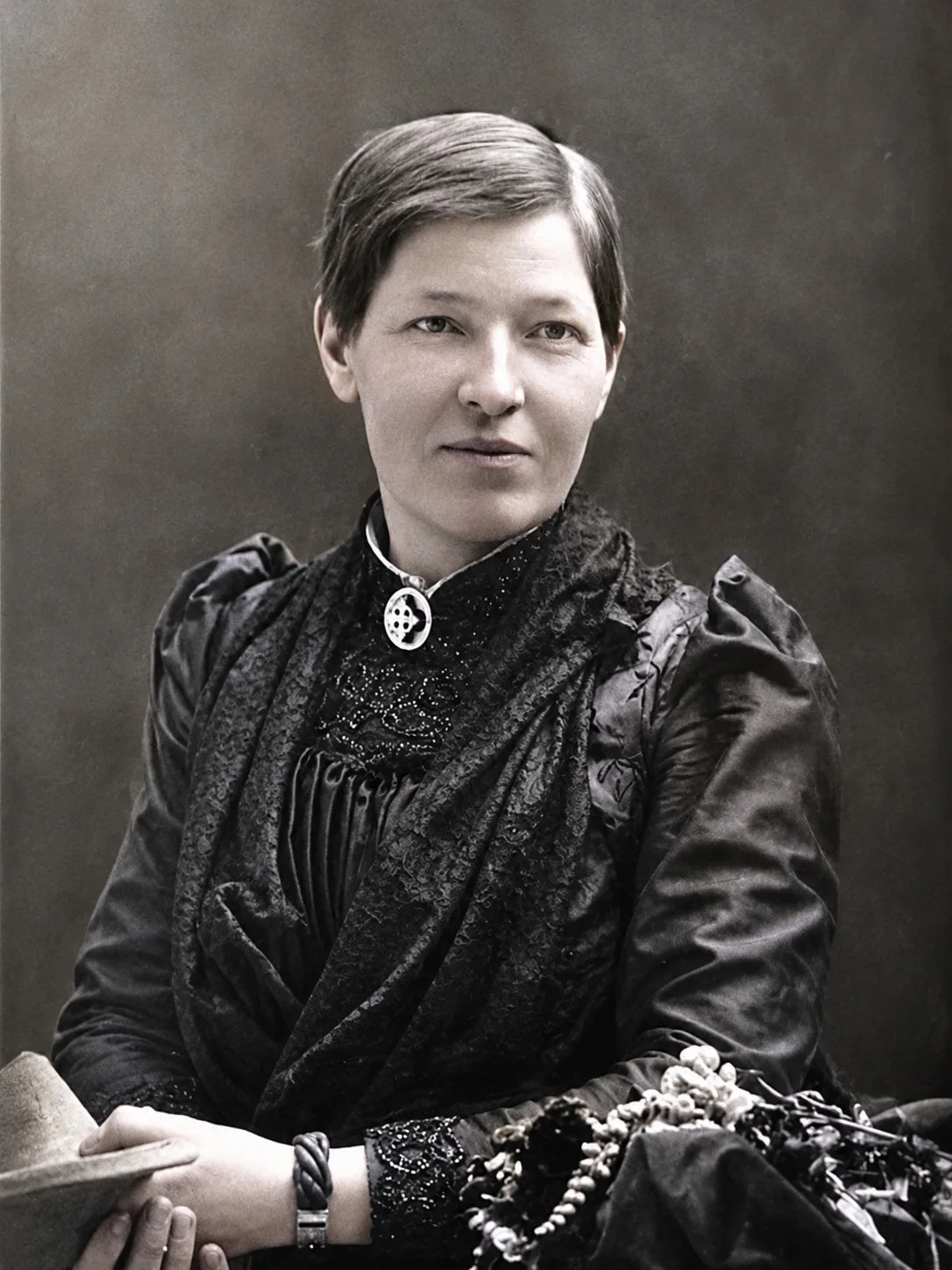
No name is more closely associated with this period than Mary Slessor.
Her courage, compassion, and determination earned her a lasting place in Calabar's history. She became known for protecting abandoned twins, advocating for women and children, settling disputes, and living among the communities she hoped to serve.
Yet reducing Calabar's transformation to the work of one remarkable woman oversimplifies history.
Societies do not change because one outsider arrives with new ideas. They change because people within those societies begin asking new questions. Many Efik chiefs welcomed dialogue with the missionaries. Local converts became teachers, interpreters, and evangelists. Women embraced education and became influential voices within their communities.
Families made difficult decisions about which traditions to preserve and which to leave behind.
Mary Slessor was undoubtedly influential. But Calabar changed because the Efik themselves chose, debated, resisted, questioned, and gradually embraced aspects of a new way of life.
Transformation was not imposed. It was negotiated.
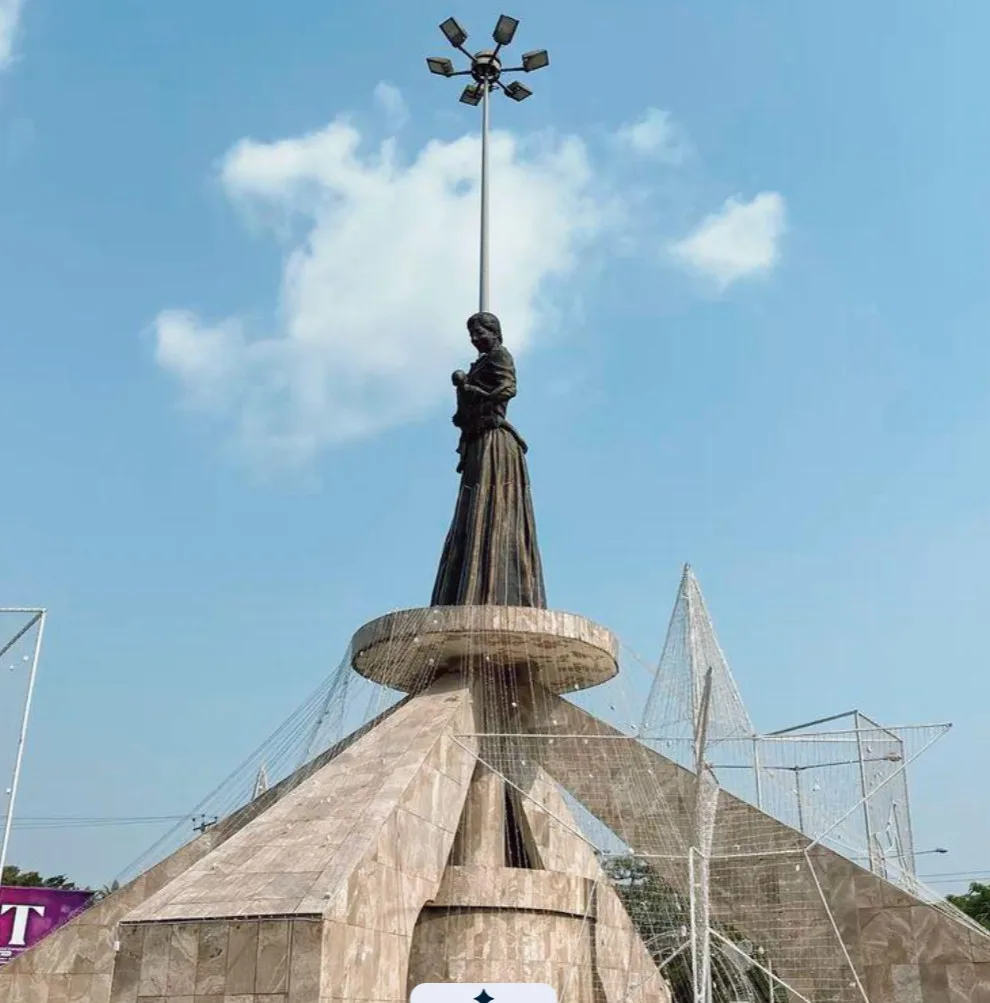
One of the most enduring reminders of this chapter in Calabar's history is the Mary Slessor Monument, located in the heart of the city. Erected in honour of the Scottish missionary, the monument commemorates her advocacy for vulnerable children, her opposition to twin killings, and her commitment to education and social reform.
Today, it stands not simply as a tribute to one woman, but as a symbol of a transformative period when Calabar grappled with difficult questions of faith, culture, and progress. For visitors exploring the city's rich heritage, the monument offers a meaningful stop on the journey through one of Nigeria's most fascinating historical landscapes.