
Shaping Northern Cross River’s Identity
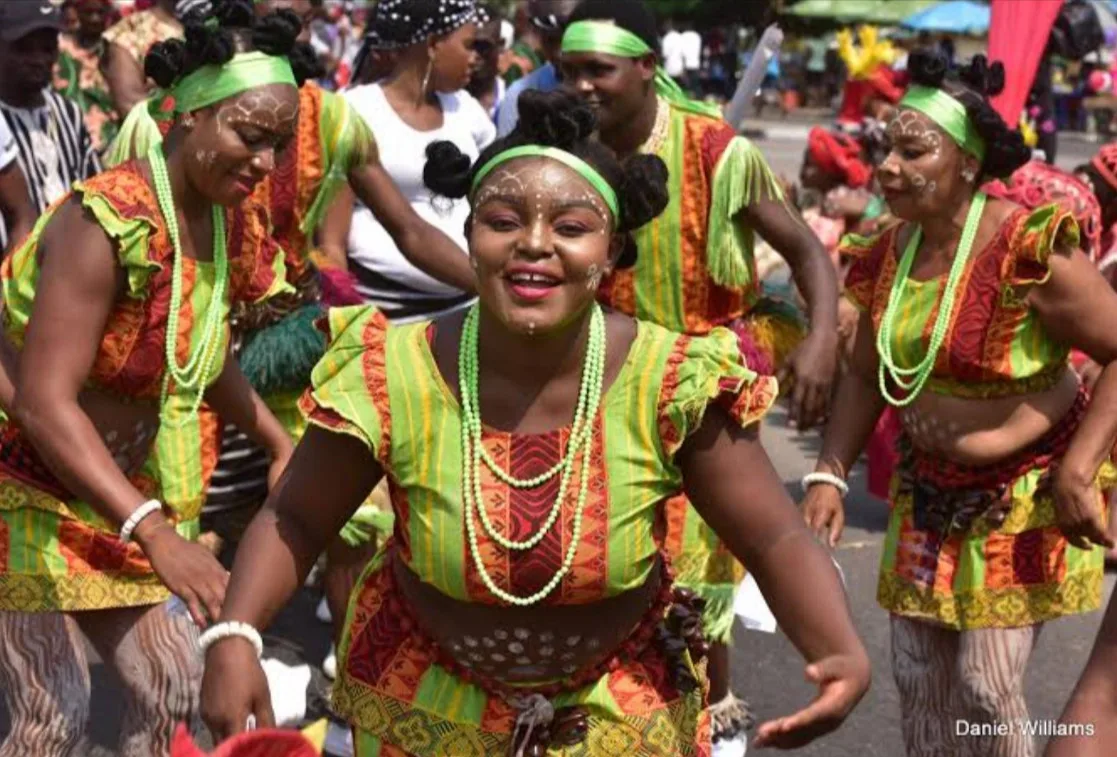
Post-independence, Ogoja's territory splintered into local governments like Ogoja, Obudu, Yala, and Obubra, yet retained its identity as the political, economic, and cultural heart of Northern Cross River. Unlike peers that evolved into states, Ogoja's minority status led to subsumption into South-Eastern State in 1967, then Cross River, highlighting its marginalization but also unity among clans. The area's escarpments, grasslands, and jungles supported wartime food production, underscoring strategic value during conflicts like the Nigeria-Biafra War.
Ethnic diversity, Bekwarra, Bakor, Mbe, Nkum, and more, fosters inter-group communication and shared pride, traceable to common ancestors. Linguistically, six major languages thrive, reflecting a crossroads of traditions that define Northern Cross River's pluralism. Ogoja's legacy of endurance unites these groups, evident in modern calls for recognition amid state creation debates.
Cultural Heritage and Traditions
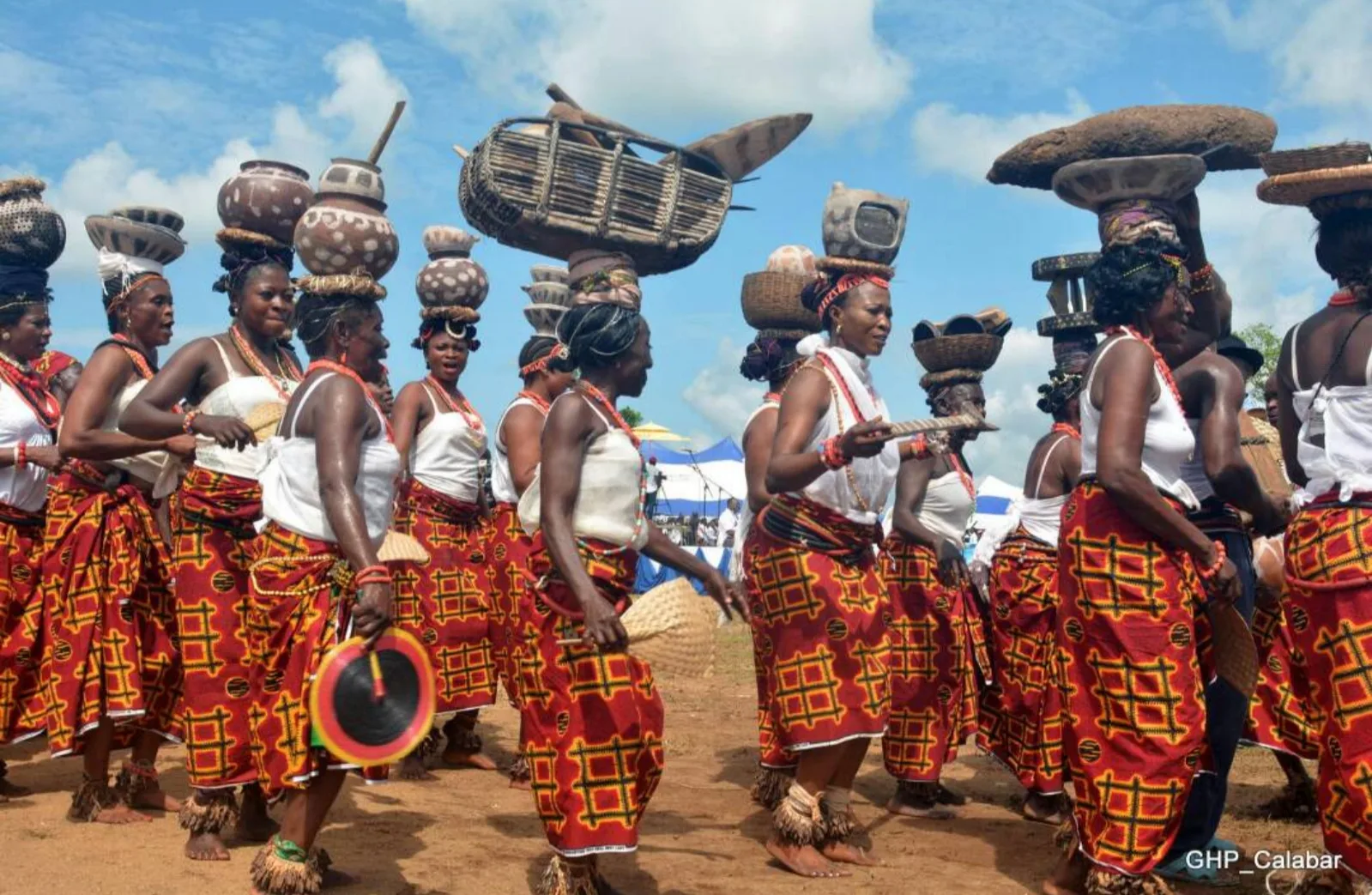
Ogoja's people celebrate identity through dynamic festivals, dances, and rituals tied to agriculture and ancestry. The New Yam Festival features joyful dances honoring harvests, with choreographed moves in traditional attire symbolizing gratitude and community bonds. Atam masquerade festivals highlight agrarian roots, blending performance with spiritual reverence for gods and forebears.
Cultural displays like Obudu's war and cane dances shone at events such as the maiden Northfest, where Ogoja-area groups dominated pageants, farming contests, and yam barn showcases. Linguistic diversity enriches festivals, with songs for marriages, births, burials, and new yams preserving heritage amid modernization. These traditions embody resilience, evolving from pre-colonial rituals influenced by trade and migration.
Ogoja's multicultural fabric thrives through its core ethnic groups, each contributing distinct traditions and languages. The Bekwarra people speak Bekwarra and celebrate yam festivals alongside communal farming songs that foster unity. Boki communities, using the Boki language, perform ritual dances honoring ancestors during key ceremonies. Yala speakers of Ayabga engage in lively New Yam celebrations featuring colourful masquerades that draw crowds annually. Meanwhile, the Ekoi or Mbube group, with Ekajuk as their tongue, preserves harvest dances and spiritual rites passed down through generations. These vibrant elements collectively define Northern Cross River's cultural crossroads.
Economic Foundations and Daily Life
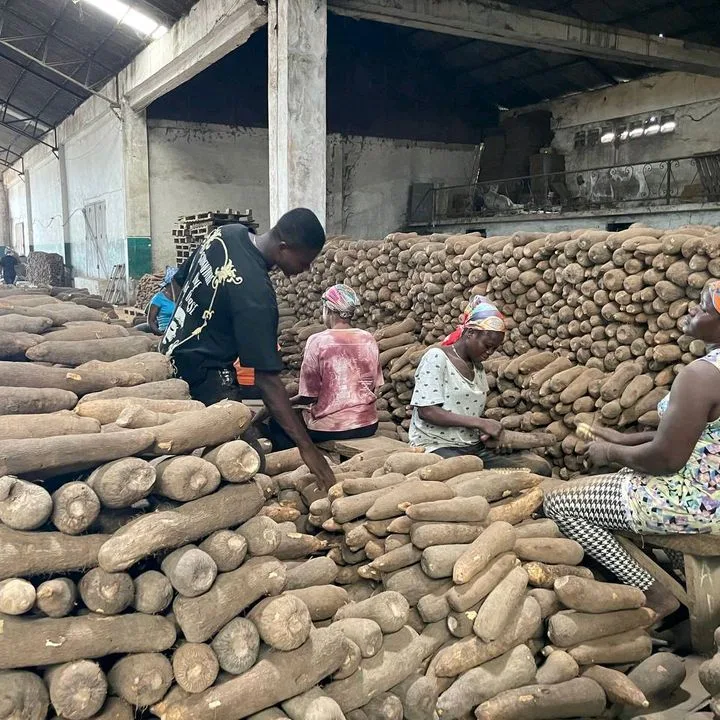
Subsistence agriculture anchors Ogoja's economy, producing yams, cassava, palm products, kola nuts, and grains for local trade and markets. As a trade center on routes from Abakaliki, it thrives on palm oil, kernels, and maize, supporting families and regional exchange. Fertility of soils, noted since Yala origins, sustains this agrarian lifestyle amid hills and forests.
Modern extensions include teacher-training colleges, hospitals, and secondary schools, building on colonial foundations. Christianity permeates daily life, blending with revived customs for a vibrant social scene. From ChallawaRiver Homes, visitors access these authentic experiences, staying connected to Calabar's amenities while immersing in northern rhythms.
Tourism Potential and Attractions
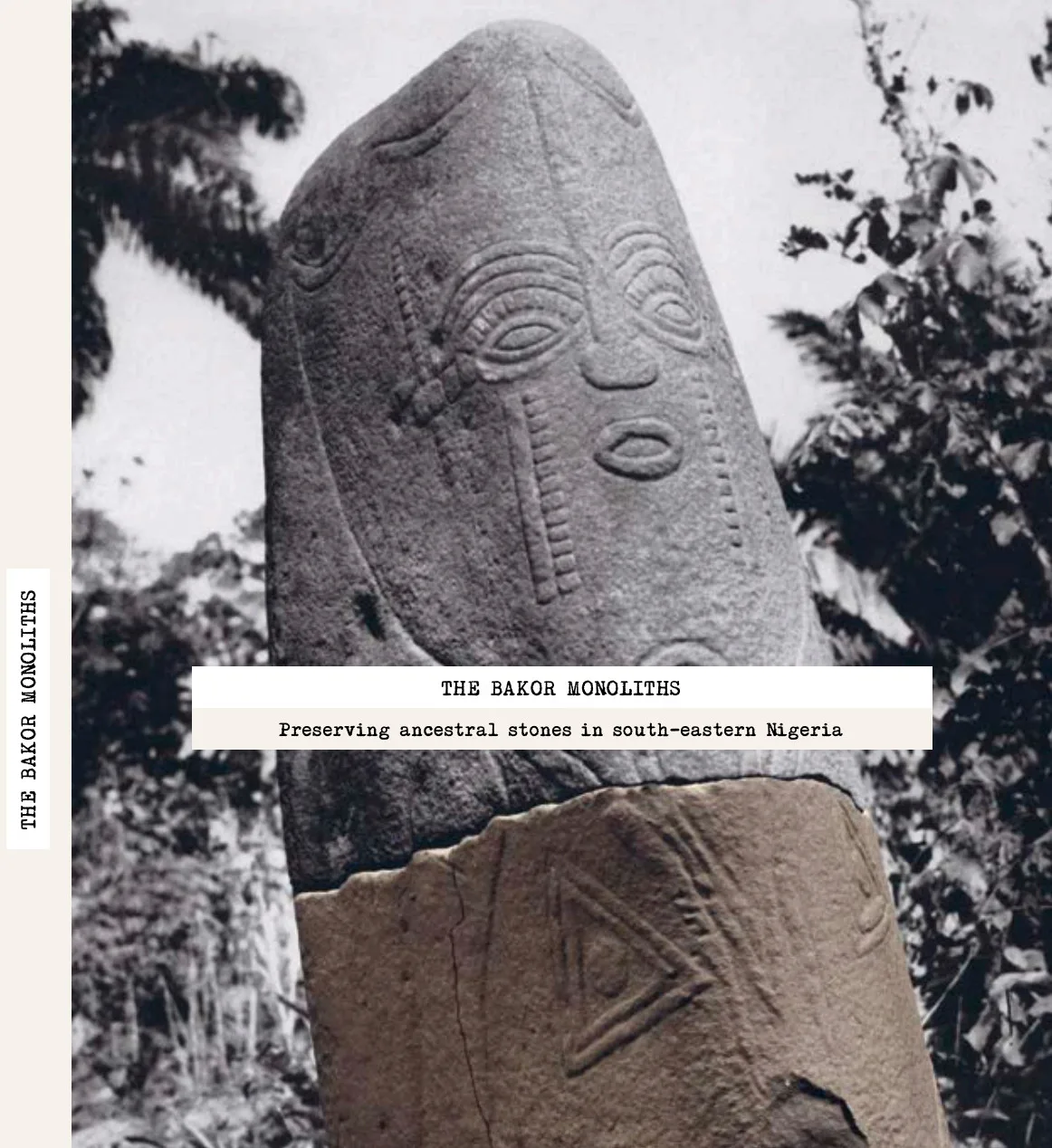
Ogoja beckons tourists with untapped eco-cultural gems, perfect for hikes, biking, paddling, and cultural treks amid surrounding hills and forests. Bakor stone monoliths in nearby Ikom and Ogoja areas offer ancient artifacts ripe for heritage tours, linking to Cross River's archaeological wealth. Festivals like Northfest showcase dances, produce, and pageantry, drawing crowds to celebrate Northern Cross River's vibrancy.
Natural wonders, including proximity to Obudu's escarpments and grasslands, promise adventure alongside slave history echoes and waterfalls in the broader Cross River. Cultural dances preserve pre-colonial mysteries, with the Mbube tribe's performances symbolizing ethnic pride. Renewed focus on preservation aligns with Cross River's tourism push to position Ogoja as a must-visit for heritage seekers. Events revive old charm, inviting rediscovery of unity and pride.
Pathways for Rediscovery
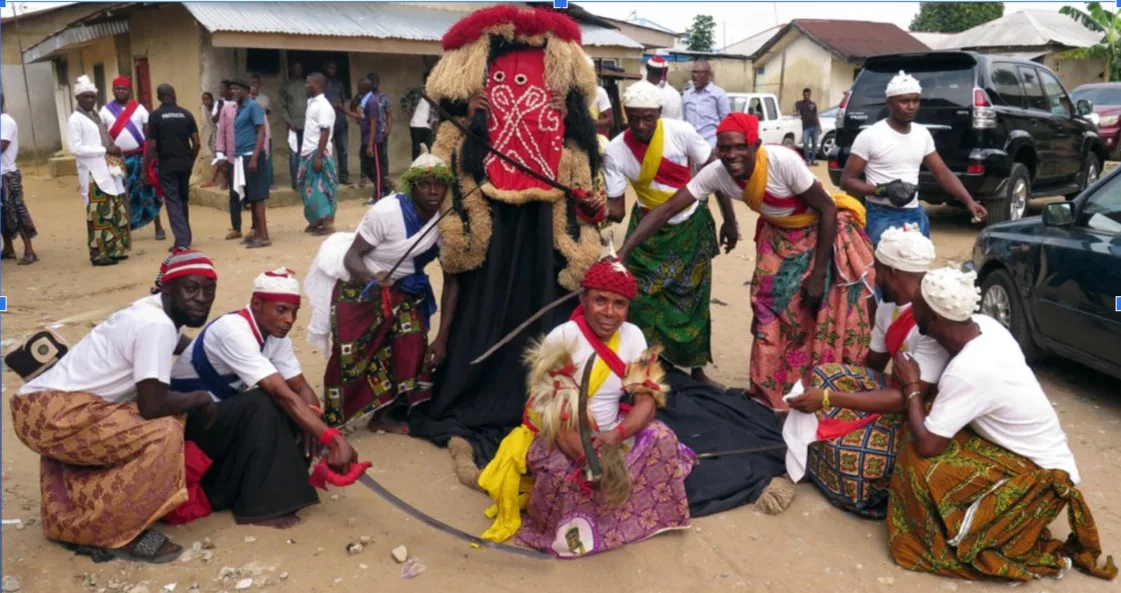
Ogoja's story, from colonial hub to cultural beacon, urges preservation amid tourism growth. Visitors from ChallawaRiver Homes can plan trips via notable transport services, join festivals, or explore monoliths. Infrastructure like roads and colleges eases access, while communities welcome immersive stays.
Strategic links to Benue State and the Middle Belt enhance its crossroads appeal, promising economic boosts through eco-tourism. As Cross River State promotes heritage, Ogoja's resilience inspires new generations to honour its past.
Ogoja's legacy endures, blending history with vibrant futures for cultural explorers.
Ready to uncover Ogoja's historic charm? Book your stay at ChallawaRiver Homes today and embark on an authentic Northern Cross River adventure!