
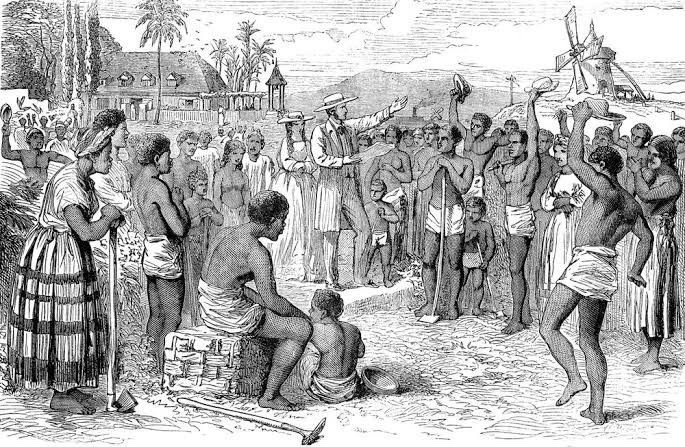
The first thing they noticed was the sail.
It emerged from the morning mist like a giant white bird gliding across the water. Along the banks of the Calabar River, fishermen paused their work and traders abandoned their conversations. Children pointed excitedly toward the horizon while elders squinted into the distance, trying to make sense of the strange vessel slowly approaching their shores.
No one had seen anything quite like it before.
As the ship drew closer, curiosity spread through the settlement. Who were these visitors? Where had they come from? What stories lay beyond the endless stretch of ocean they had crossed?
There was little reason for alarm. The river had always been a place of movement and exchange. Traders arrived regularly from neighbouring communities, bringing goods, news, and opportunities. These strangers simply appeared to be arriving from much farther away.
They carried beautiful glass beads that sparkled brilliantly in the sunlight. They brought metal tools, unlike those produced locally, and colourful fabrics that immediately attracted attention. Gifts were exchanged. Conversations began. Trade followed.
To many watching from the riverbank, it felt like the beginning of something exciting. In many ways, it was. Yet history has a habit of disguising its turning points. What seemed like a harmless encounter between curious strangers would eventually shape the destiny of an entire region.
The story of European Contact in Calabar does not begin with conquest or conflict. It begins with wonder, opportunity, and a welcome that would have consequences far beyond what anyone could imagine.

In the beginning…
The earliest encounters between Europeans and the people of Calabar were driven largely by mutual curiosity.
European traders and explorers were searching for new routes, resources, and trading opportunities. The people they encountered along the Calabar River were equally fascinated by these newcomers and the unfamiliar goods they carried.
For centuries, communities throughout the region had participated in extensive trade networks connecting different ethnic groups and settlements. Commerce was already a familiar part of life. Meeting strangers was not unusual.
What made these visitors different was the distance they had travelled and the world they represented.
The arrival of Europeans opened a window into a larger global network that few could have imagined. Every interaction offered something new to learn. Every exchange introduced new possibilities.
At this stage, there was little indication that these encounters would become one of the most significant chapters in the history of Calabar.
They were simply traders meeting traders.
The Efik Traders
One of the most misunderstood aspects of European Contact in Calabar is the role played by the Efik people themselves.
Many historical accounts create the impression that Europeans arrived and immediately took control of trade. The reality was far more complex.
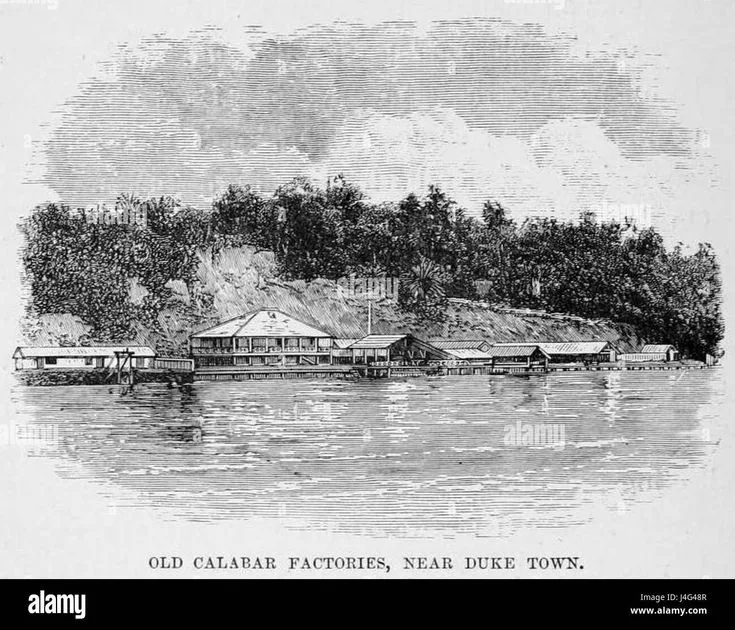
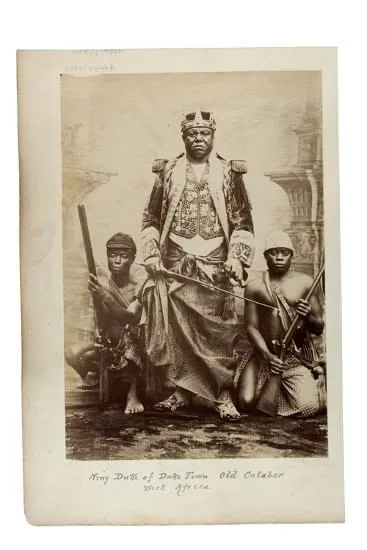
Long before European ships appeared on the horizon, the Efik had strategically positioned themselves along the Calabar River. They understood the economic importance of controlling access to key waterways and trade routes that connected inland communities with coastal markets. One of the most important centres of this strategy was Duke Town. Situated along the Calabar River, it emerged as a powerful trading settlement and became a crucial point of contact between Efik merchants and European traders. Its location was no accident. By establishing influential communities at key positions along the river, the Efik were able to regulate access to inland markets and maintain significant control over commercial activity.
This is one reason the story of European contact in Calabar is more complex than it first appears. While European ships arrived seeking trade, they entered a system that was already being carefully managed by local merchants who understood the value of geography, diplomacy, and economic leverage.
The river was more than a source of transportation. It was an economic artery through which wealth, influence, and power flowed.
By establishing themselves at critical points along the river, Efik merchants became indispensable intermediaries. Anyone seeking access to regional trade networks often had to negotiate through them.
This strategic positioning gave the Efik considerable influence over commercial activity. Far from passively welcoming Europeans, they recognised an opportunity and moved to capitalize on it.
They were not spectators of history. They were active participants in shaping it.
The Excitement of a Wider World
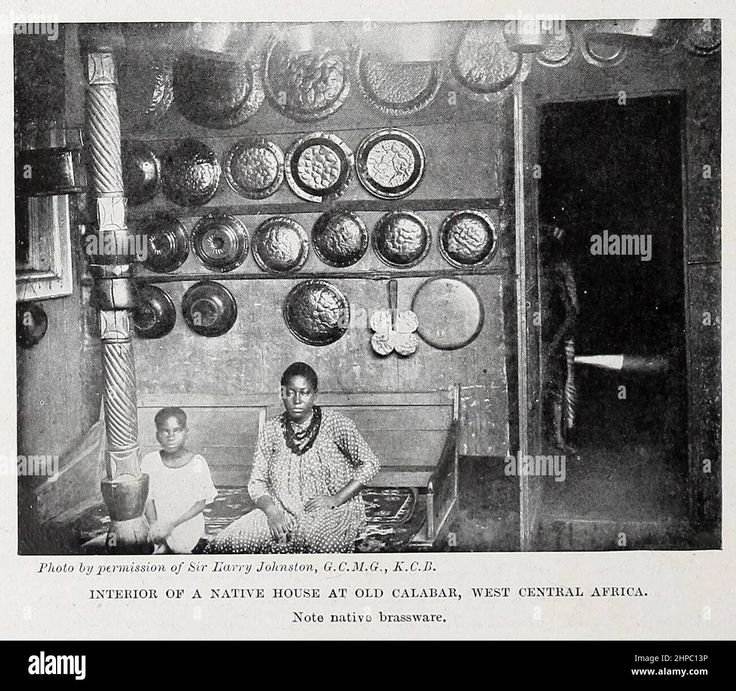
As trade relationships deepened, so did the sense of possibility. European ships brought goods that quickly became desirable throughout the region. Glass beads became prized possessions. Imported textiles introduced new colours, patterns, and materials. Among the goods that fascinated Efik merchants were brass objects whose shine and durability made them valuable symbols of status. Acquired through trade, these items became part of a growing commercial relationship that initially appeared beneficial to both sides. Metal tools improved efficiency in daily life and commerce. For merchants, every arriving ship represented an opportunity. For local leaders, new trade relationships offered the possibility of increased wealth and influence.
The Calabar River, once primarily a gateway to neighbouring communities, was becoming a gateway to the wider world. Prosperity followed. Trade flourished. Commercial networks expanded. Connections stretched farther than ever before.
As trade relations deepened, British influence began appearing in Efik fashion. Wealthy merchants and chiefs adopted items such as hats, jackets, and walking canes, blending them with traditional wrappers and coral beads. What emerged was a unique style that reflected both Efik heritage and growing connections to the wider world.
For many people living during this period, the future must have appeared incredibly promising. The world seemed larger than it had ever been. And Calabar was becoming increasingly connected to it.
When Opportunity Started Changing the Rules
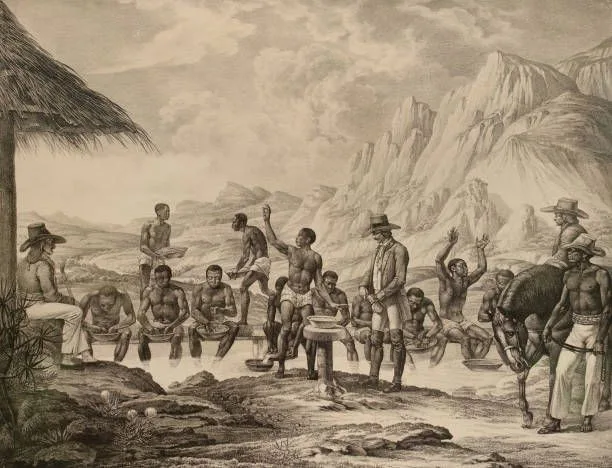
The most significant changes in history rarely happen overnight. They happen gradually. At first, the benefits of trade were obvious. New goods arrived. Wealth increased. Commercial opportunities expanded. But beneath the surface, subtle changes were taking place.
Imported products became increasingly desirable. Local economies began adapting to the demands of international markets. Relationships with foreign traders became more important to economic success.
None of these developments seemed threatening. In fact, they often appeared beneficial. Yet every new connection created a new dependency. Every profitable exchange strengthened ties to forces beyond local control. The transformation was so gradual that it was difficult to recognise while it was happening. What began as curiosity was slowly becoming reliance.
The Unknown Agenda
As the relationship between local communities and European traders deepened, the balance of influence began to shift. Economic opportunities continued to grow, but so did external interests in the region.
Decisions made far away increasingly affected local realities. Foreign markets began influencing what was traded, how it was traded, and who benefited most from the exchange. The same networks that created prosperity also introduced vulnerability. This is what makes the story of European Contact in Calabar so compelling.
There was no single dramatic moment when everything changed. No obvious warning sign. Instead, a series of small decisions and mutually beneficial relationships gradually altered the dynamics of power. The consequences would take generations to unfold fully.
How Trade Became a Turning Point
Looking back today, it is tempting to separate history into clear categories of winners and losers, heroes and villains. The reality is rarely so simple. The people who welcomed European traders could not see centuries into the future. They responded to the opportunities available to them in their own time.
Trade brought wealth. Trade brought influence. Trade brought access to a wider world. But it also created pathways through which outside powers would eventually exert greater influence over local affairs. The turning point was not hidden in the first handshake or the first trade agreement.
It was hidden in the accumulation of countless interactions over time. History often changes this way. Quietly. Gradually. Almost invisibly. Until one day, people realise the world around them has become something entirely different.
What Modern Hospitality Can Learn from the Efik
Today, Calabar is widely celebrated for its hospitality. Visitors frequently describe the city as welcoming, vibrant, and warm. Hospitality has become one of its defining characteristics. Yet the roots of that hospitality run deeper than many people realize. For the Efik, welcoming outsiders was never simply about kindness or service.
It was strategic. Relationships created trust. Trust created opportunities. Opportunities created prosperity. The earliest interactions with European traders demonstrate this clearly. The Efik welcomed visitors not because they were naïve, but because they understood the value of connection and exchange.
In many ways, this philosophy remains relevant today. The most successful hospitality experiences are built on genuine relationships. Great hosts do more than provide a service. They create an environment where meaningful connections can flourish.
In that sense, Efik hospitality began not as service, but as a strategic welcome. Centuries before hospitality became an industry, the people of Calabar understood that a warm reception could open doors to opportunity, partnership, and growth. Today, the legacy of those encounters lives on in Calabar's commercial spirit, cultural openness, and enduring tradition of hospitality, qualities that continue to make the city one of Nigeria's most fascinating destinations.
At ChallawaRiver Homes, that same spirit of welcome remains at the heart of the guest experience. Just as the Efik understood the power of building meaningful connections through hospitality, ChallawaRiver Homes offers visitors more than a place to stay; it offers an opportunity to experience the warmth, culture, and rich history that have defined Calabar for centuries.
On that morning when strange sails appeared on the horizon, the people gathered along the Calabar River could not have known they were witnessing a turning point in history.
To them, it was simply another day and another opportunity to trade. Yet that encounter would become the beginning of a relationship that transformed commerce, culture, and power throughout the region.
The story of European Contact in Calabar reminds us that history rarely changes through dramatic events alone. More often, it changes through ordinary moments that gradually reshape the future.
What began with curiosity evolved into opportunity. What began with an opportunity introduced new dependencies. And what seemed like a simple welcome became one of the defining chapters in Calabar's remarkable history.
Today, the legacy of those encounters lives on in the city's commercial spirit, cultural openness, and enduring tradition of hospitality, qualities that continue to make Calabar one of Nigeria's most fascinating destinations.